If you’re looking for a puppy in Peterborough, then we hope you’ve stumbled across this…
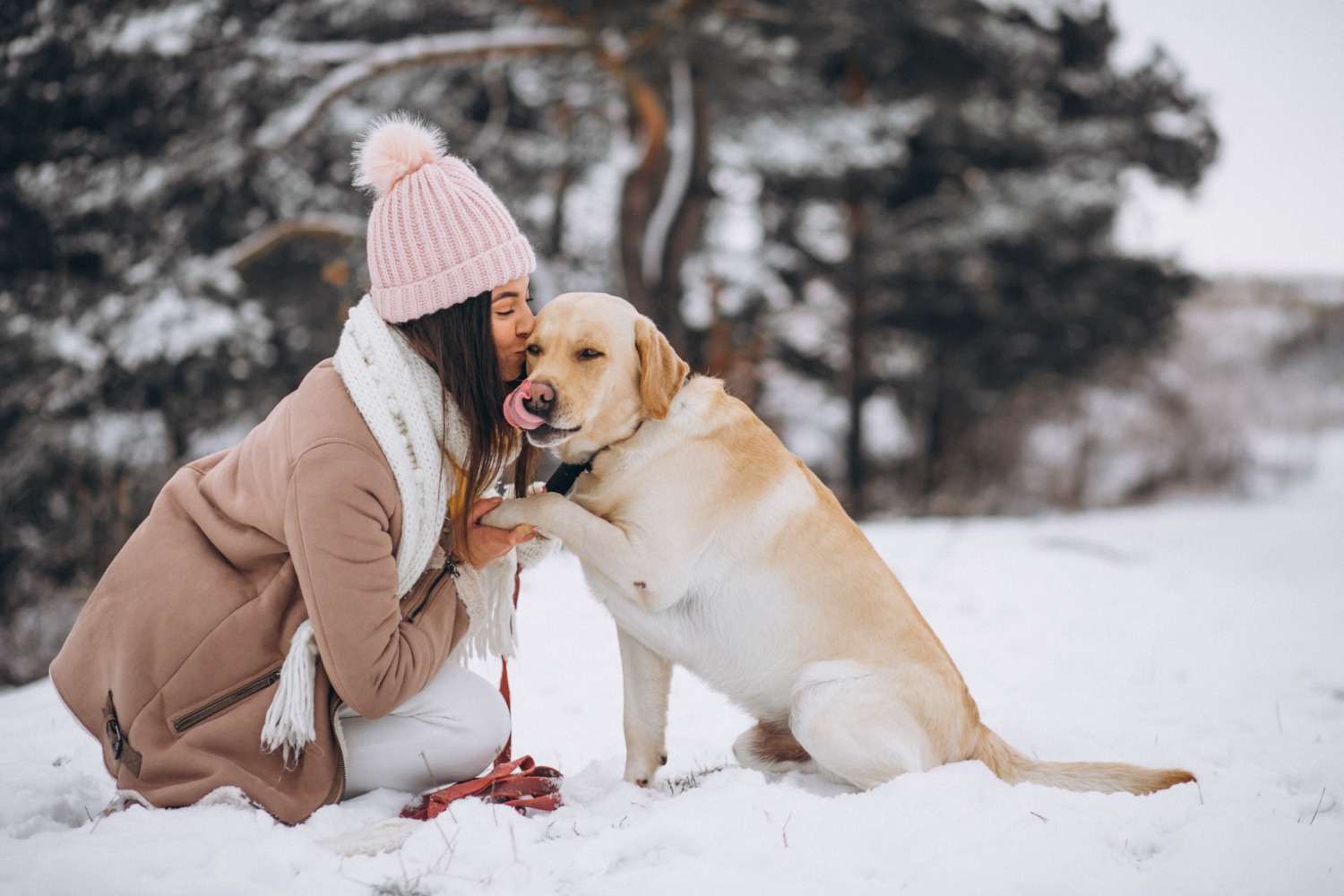
Caring for Your Pets in Winter – A Complete Guide for All Pet Owners
It’s winter. And it’s cold. In fact, it’s below freezing outside, and so you start to wonder just how cold it needs to get for your pets to feel it too.
Do they feel the cold as much as you?
Is it okay to walk your dog on ice?
How do you keep your guinea pigs and rabbits warm in winter?
They’re all valid questions, and here at the Pet Shop, no question is a silly question.
So, if this blog doesn’t answer what you’re looking for, pop in and ask one of our knowledgeable staff. We’re located in Market Deeping, north of Peterborough and only 20 minutes east of Stamford.
Are you on our mailing list?
Get our regular updates and find out how to enter our monthly competition here.
Let’s break down some of the general advice from professionals about how to care for your pets in winter, so you can sleep a little better at night and avoid the temptation to snuggle down with your guinea pigs under the covers to keep them toasty warm.
I mean, we’re not judging – it just might not be the BEST experience… have you seen the poop that just one guinea pig can generate?
And honestly, you’re probably doing everything right already. Cold weather affects all animals differently. Sometimes just a few changes can make all the difference to keep them happy until the warm Spring sunshine rears its head (please let it be soon!).
How does the cold affect different types of pets
1.Dogs
The winter can affect dogs in different ways. Especially older dogs and puppies who are slightly more vulnerable.
Dogs can experience joint stiffness with the colder winter weather with some paw sensitivity. It may not be that easy to spot, you know how effective they are at hiding pain! So look out for any small changes like:
- Slowing down on walks or lagging behind
- Hesitating when jumping up and down off the sofa or into the car
- Sitting or lying down on walks (out of the blue)
- Licking or chewing at paws
- Being less keen to go out in the cold
- Subtle changes to favour one leg or paw over the other
What can you do to make your dog more comfortable in the colder winter weather?
There are a few things you can do to make your dog more comfortable in the winter and less likely to experience joint pain from the cold.
- Make sure your dog’s bed is away from drafts and that their bedding is well-padded so your dog can snuggle down and hold in the warmth.
- If you can, raise your dog’s bed. If you lie on the floor, you’ll notice just how much colder it is down there! So if you’ve got an older dog, think about getting a raised bed.
- Add more blankets – Dogs will always kick them off and adjust if it’s too hot.
- Maintain a healthy weight for your dog to reduce joint pressure. If you’re not sure, you can always pop them down to your vets and get them weighed for a better idea.
- Some dogs might want to eat more, others less. So long as they don’t lose their appetite, it’s probably a normal reaction to the weather. Check with your vet if you’re not sure.
- For older dogs, consider getting a ramp up to the sofa or your bed (if your dog is lucky enough for bed snuggles!) to further help less strain on their joints.
2.Cats
Cats are heat-seeking by nature. You probably know this from the exceedingly hot spots they favour in the summer like the windowsill, the garden, or when the sun beams through your patio doors! Unlike dogs, cats are less likely to ‘push through’ if uncomfortable, although they’re just as good at hiding pain as dogs.
Signs to look out for are:
- Becoming less playful
- Reluctance to go outdoors
- Being more clingy or vocal
These are signs they might just need a little more comfort during those cooler periods.
The real concern is for senior cats who are more prone to joint stiffness and arthritis.
You might find they:
- Struggle to get into the cat litter tray
- Stop jumping or climbing
- Avoid the stairs
- Become lethargic (more than just ‘I’m cold and I don’t like it’ behaviour)
What can you do to make your cat more comfortable in the colder weather?
The advice around making your cats more comfortable in the colder weather is similar, but as they’re also often outdoor animals, you might have a few more considerations.
- In addition to having beds off the floor, you could make available the sunny windowsill spots so your cat can soak up the winter sun.
- Older cats might benefit from easy-access litter trays.
- Encourage play inside if your cat is spending more time in the house because of the weather. Usually they’d be out hunting and catching mice so enourage some hunting play! Check out our cat toys here.
- If you do have a cat that prefers to spend a lot of time outdoors, or needs you to be home to let them in, consider having access to some shelter and check your garages and sheds before you close them for the night.
3.Small Animals like Guinea Pigs and Rabbits
Smaller animals like guinea pigs and rabbits need to be monitored more in the colder weather, because, unlike our cats and dogs, they’re likely to be outside more of the time, or feel the effects of the colder weather more.
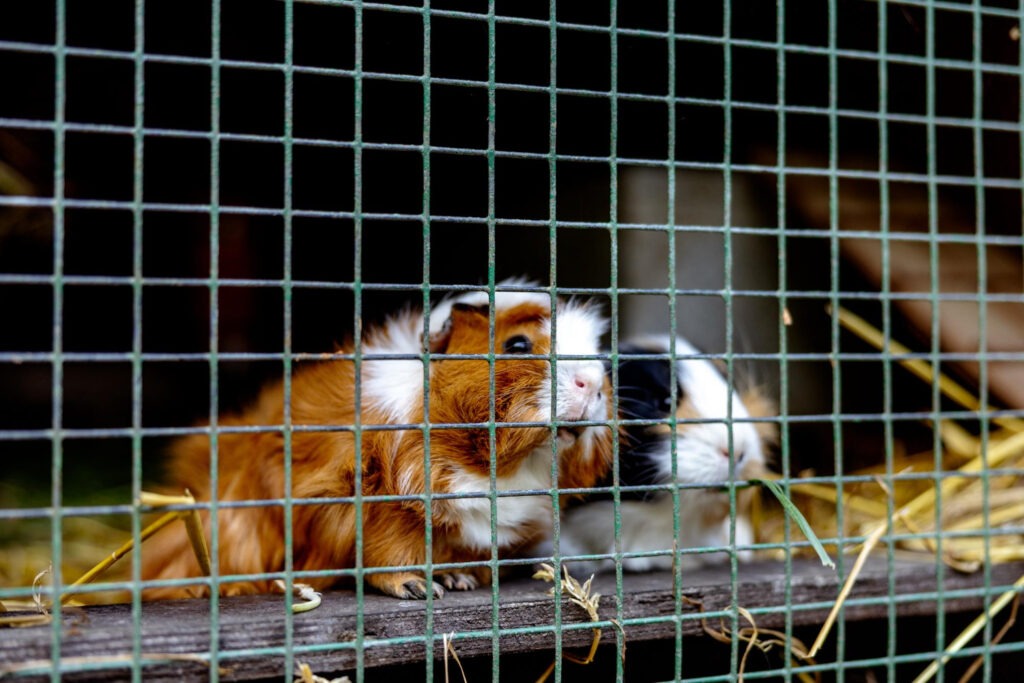
If outside, their bedding can also become damp, and the wind can make it feel even colder. Risking hyperthermia and other cold-related conditions.
Here are some things to look for to find out if your small animals are struggling:
- Huddling more together or in one spot
- More reluctant to explore their enclosure
- More subtle changes, like appetite changes and being less active
Even if this just means they’re cold or uncomfortable, it’s still best to do all you can to create a warm and cosy environment for them, especially if they’re older.
What can you do to make your small animals (guinea pigs and rabbits) more comfortable in the cold winter weather?
Guinea pigs are happiest in temperatures around 18 – 19 degrees Celsius. Once the temperatures drop below around 15 degrees, their bodies struggle to stay warm. The RSPCA recommends keeping guinea pigs inside when it gets this cold. A garage, conservatory or a spare room.
If you do have a hutch, some important things to consider when the weather is colder for your guinea pigs and rabbits:
- Make sure your hutch is well insulated and draught-free. You can find covers and insulation you can put over the hutch to keep out the wind and rain, but you’ll need to make sure there is circulation too
- Make sure the hutch is off the ground. This will keep it drier and warmer.
- Make sure your small animals have plenty of bedding to burrow down into and nestle into to stay nice and toasty warm
- Check that water bottles haven’t frozen
- Check out the pet-safe microwaveable heat pads you can pop under your pets’ bedding.
Walking your dog in the winter
Walking dogs in the winter can be totally safe; there are just a few things to watch out for.
Does your dog have any mobility issues?
If your dog is older and has some joint issues, these can be exacerbated in the winter. Take things at their pace. A slow, short walk is plenty to get a good sniff and stretch your dog’s legs. Don’t think you have to push it. A day off won’t harm them, but pushing past their limits might.

Black ice and untreated icy pavements
Slipping and sliding on ice during your dog walk isn’t going to be much fun for anyone. No one wants an unexpected vet visit with a twisted leg. Even the smallest injuries can have devastating consequences for your dog, so trust your judgement.
If it’s cold – keep it short
When it drops below freezing, shorter, more frequent walks can often be better than one long one.
You can also build in some fun games, mental enrichment and training to keep your dog occupied in the house.
Coats and visibility
Does my dog need a coat in the winter? It’s a question we hear a lot. And it really does depend.
Some dogs absolutely do benefit from a coat in the winter. It certainly won’t do any harm! But some reasons people decide to get a coat are:
- Your dog is smaller and loses heat more quickly
- Your dog is short-haired or a finer-coated breed
- Your dog is quite lean, so has little body fat
- Your dog is older and has arthritis or joint stiffness
- Your dog is a puppy, and so they’re still developing temperature regulation
- Or perhaps your dog is recovering from illness or surgery
Even double-coated breeds like border collies and labradors, which are built for the cold, might quite like the extra protection from the wind and rain.
You can always pop in and check out our huge range of coats and ask us anything.
Visibility
If you’re walking in the dark, whether that’s early morning or early evening, it’s best to have some sort of visibility so drivers, cyclists and other dog walkers can clearly see you approaching.
There are some super simple ways to do this:
- Reflective collars and leads that catch in the headlights
- Light up LED collars (these look especially fun!)
- Reflective coats – kill two birds with one stone
Common winter hazards to watch for with your pets
A few hazards to be aware of. They aren’t especially common, but good to be aware of all the same.
Antifreeze poisoning
For some reasons pets seem to like this as it has a sweet taste, but it’s highly toxic. Dogs and cats might lick up spills from driveways or puddles without hesitation.
Early symptoms can be vomiting, lethargy and wobbliness, so if you spot any of these after walking, call your vet straight away.
Grit on the roads
Grit can irritate paws and cause soreness. You might notice your dog refusing to put their paw down. Try to avoid roads that have been gritted and consider using paw balm as a protective barrier, and check paws after walks for redness or cracking.
Check out our range of paw balms here.
Icy Ponds and Lakes
Your dog that loves to swim might not quite realise how cold the water is until it’s too late! Water temperatures can plummet in winter, causing cold shock, panic, and, in the worst case, drowning. Edges can also be super wet and slippery in the winter, making it harder for dogs to get out on their own.
If your dog does get into trouble, your instinct is going to be to jump in, which is just as dangerous for you. So maybe leave the cold-water swimming until spring.
We’ve covered a lot of ground about looking after your pets in the winter here! But you might have more questions, so pop into the pet shop and have a chat.
We run a click-and-collect service so you can easily add everything you need to your basket, go through checkout, and pay on collection.
First time in the shop?
Don’t forget to ask for a reward card! Those points add up quickly, and your pets will be super thankful for all the extra treats in store!
Related Posts