Parasites (Flea, Ticks and Worms)
Fleas, ticks & worms in Cats and Dogs: How to protect your pet (and what you need to buy from the pet shop)
Parasites (fleas, ticks and worms) are, unfortunately, a very common part of life when owning a dog or cat. There’s nothing to be ashamed or embarrassed about if you find a flea or notice something wiggling in your animal’s poop. As horrible as it might look or feel, it’s happened to us all at one point or another.
The important thing is that you deal with it quickly and look at some preventive methods to stop it from happening again in the future, which is probably why you’re here reading this article. If not, they can pose a health issue for your pet and cause a multitude of problems.
But don’t worry! With the right prevention plan (we’ve got all the products you need!), you can keep things well under control.
In this guide, we’ll talk about:
- How to spot fleas, ticks and worms in cats and dogs
- What treatments are available in the pet shop
- When to see your vet
- How to prevent these pesky parasites in the future
Fleas
Fleas are, quite frankly, a complete pain. They spread quickly and can take some time to eliminate.
They’re small brown flightless insects that feed on the blood of mammals. Sounds lovely, doesn’t it? They’re also super tiny, so very hard to spot. You’ll likely see something jump (they can jump 160 times the length of their body, so they can spread easily), and they can cause a multitude of issues, including flea allergy dermatitis and the spread of disease.
You might even see their eggs, which are tiny, white and shiny.
They also act as an intermediate host for some types of tapeworm. Cats and dogs can ingest infected fleas during grooming and become infested with tapeworms, which is why it’s essential to consider both flea and worm treatments when treating.
You might think that fleas are only around in the Summer, but they love the warmth, and central heating ensures perfect conditions in a house all year round.
Signs your cat or dog has fleas
Fleas are pretty small, so you’ll need to keep an eye on other signs because by the time you do see them, it’s likely you’ll be further forward in the life cycle, and it might take more time to get rid of them. Look out for:
- Constant itching – This can cause animals to become a bit grumpier and you might spot a few behaviour changes like chewing.
- Hair loss – This can happen due to the scratching or stress, and tends to be patchy.
- Over-grooming – Grooming a lot more than usual and nibbling at themselves.
- Visible fleas – You’ll see these little wingless insects jumping off your pets.
- Flea dirt – Tiny black specks that you might see on the skin or on bedding. You can tell if it’s regular dirt because flea dirt turns reddish brown when you wipe it on a damp bit of cotton wool.
Check an animal for fleas either by using a flea comb and looking for fleas, or by wiping the flea comb over some wet white paper. This way you will see if dirt, fleas or grit fall onto the paper.
If one of your pets has fleas (dogs or cats) then you’ll need to treat them all.
Treatments for fleas in cats and dogs
There is a range of treatments available. The most common ones are:
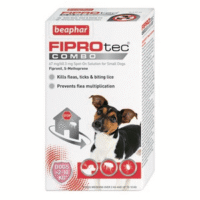
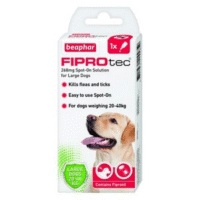
- Spot-ons. This is a liquid applied to the back of the neck that kills the existing fleas and protects against reinfestation. Some spot-ons help with ticks/worms. Sometimes these are monthly. Spot Ons are cat and dog specific, so always triple check what you’re buying!
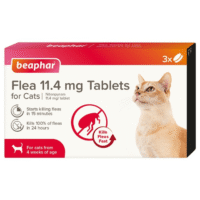
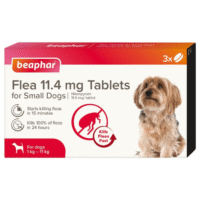
- If you’ve got a pet that’s tricky to keep still for a spot on, a tablet is useful as you can break it up in their food. Again, it can be monthly, but check the packaging.
- Flea collars – You can buy specific collars that have an active ingredient that either repels or kills fleas and ticks.
- Flea combs – These are good for removing fleas and checking your dog or cat regularly.
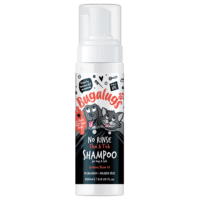
- Shampoos – You can buy specific shampoos that not only repel fleas but also help to comb them out and soothe your pet’s itchy skin.
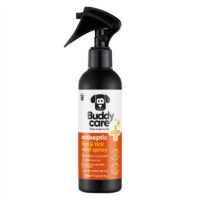
- Sprays – These are great for spraying carpets and home furnishing, and nooks and crannies where fleas tend to live.
Ticks
Ticks are small insects that almost look like spiders, as they have 8 legs. If one attaches to your dog, you’ll notice a grey/brown bump on the skin. They usually hide in long grass, which is where most dogs typically pick them up. You’re most likely to come across them between Spring and Autumn, and they tend to hang around areas with lots of sheep or deer.
Generally harmless, they can sometimes carry diseases, so it’s essential to check your pets regularly and remove them if you notice any signs of illness to prevent infections.
Removing a tick safely from your dog
Ticks need to be removed carefully to avoid infection or getting the head stuck and left behind. Tick removal tools are super affordable to buy, and every owner should have one on hand just in case!
To remove the tick, you simply:
- Slide the tool between the tick and the skin.
- Lift upwards with slow, even pressure.
- Clean the area afterwards and keep an eye on it.
If the head remains in the same position or the area looks angry/swollen, contact your vet.
Treating ticks
Ticks are often included in the treatment of fleas with preventative spot-on treatments and shampoos. When you find a tick, the only safe way to remove it is to use one of the tick removal tools we discussed above. If you’re not sure about which products to use, come and chat to us in store and we’ll be happy to help.
Worms
Parasitic worms. Not the nicest of subjects, but sadly, one we must talk about!
Several different species of intestinal worms can contaminate dogs and cats. These parasitic worms can vary in length from a few millimetres to meters.
They live inside the animal, deriving their nourishment from it, and grow and breed.
Different parasitic worms include:
- Non-intestinal roundworms
- Trematodes Flukes (flatworm)
- Cestodes Tapeworms (flatworm)
- Intestinal roundworms (ascarids)
- Whipworms
- Hookworms
In the UK, the most common types of worms that infect cats and dogs are tapeworms, whipworms, hookworms and roundworms.
Animals can pick up worm eggs on their nose or paws which are swallowed when grooming, or by eating something carrying a larvae.
Roundworms
Roundworms’ larvae feed on nutrients in the animal’s intestines, where they mature into adults.
They can also migrate to the host’s liver, where they enter the bloodstream and travel on to the lungs and muscles.
Eggs are expelled into the environment in the animal’s faeces, and the cycle continues.
Roundworms are prolific egg-layers with one adult female laying 100,000 eggs a day.
People as well as animals can become infected from a contaminated environment, such as a sandpit where cats often defecate, or from catching and eating a small animal host.
Tapeworms
Cats and dogs ingest an infected flea or louse when grooming, and the tapeworm larvae then attach to the small intestine in the animal’s stomach.
They grow and mature and release egg-filled segments, which can then be seen around the host animal’s anus and faeces. The segments resemble moving grains of rice.
This infestation can cause a change in appetite in the host, weight loss and an itchy bottom.
There are a number of different species of tapeworm, and some can cause serious disease, which can be fatal.
Signs of worms in your cats and dogs
Regular worming treatment will help to keep your pet healthy as well as protect humans.
Signs of worms include vomiting and/or diarrhoea, weight loss, growth problems and sometimes death in puppies and kittens. These are usually the signs you’ll see before the worms themselves, so keep an eye on these types of behaviours.
For effective worming control, choose a licensed veterinary medicine suitable for cats or dogs (remember to select the correct type).
Treatments of Worms in Cats and Dogs
Like flea treatments, there are a few options available:
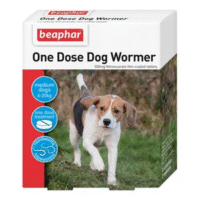
Worming tablets – These are the most common treatments
Liquid Wormers – Often given to puppies or kittens
Spot-ons – some of the flea spot-ons will treat an extensive range of worms (but perhaps not all, in which case you’ll need both spot-ons and a tablet)
There are numerous products available, but not all worm treatments are effective against all types of worms. If you’re unsure, please let us know at the Pet Shop, and we’ll be happy to help.
When to see a Vet
There are times when you should seek veterinary advice. This might include:
1 – If your pet seems generally unwell or tired, perhaps they look a bit pale. This may be a sign of infection or another underlying issue, so it’s best to have them checked out to be sure.
2 – If the scratching has caused bleeding or skin irritation.
3 – The worm or flea products just don’t seem to be working.
4 – A tick bite looks angry or infected.
We’ve got a range of products in store for treatment and prevention of fleas, worms and ticks. You’re welcome to pop in and chat with one of our experienced staff members, who will be happy to help you select the right products for your pet’s age and weight.
Dog