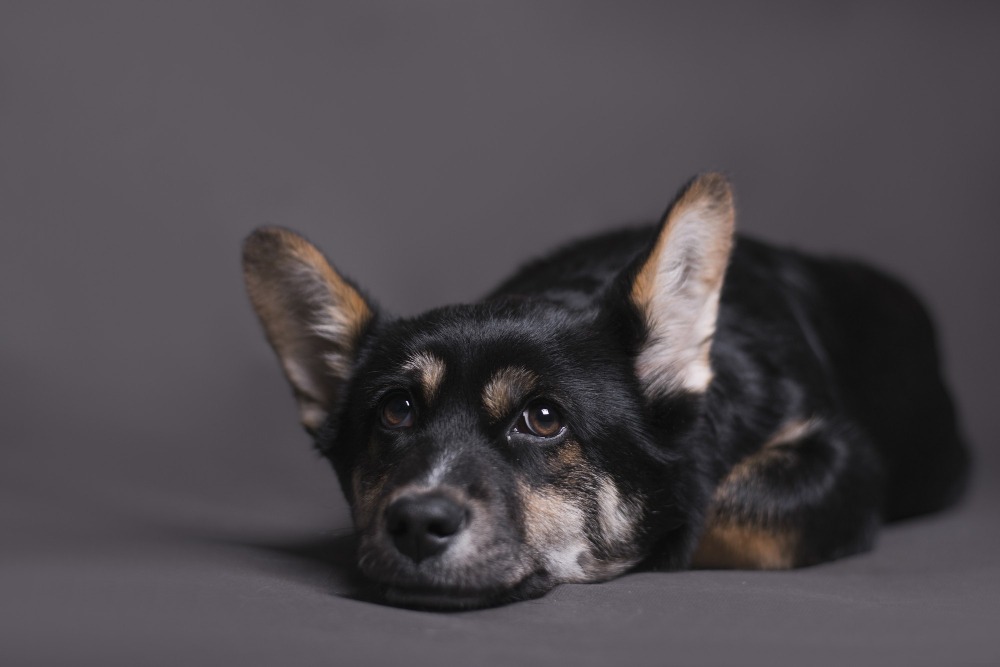
Adopting a dog is a huge decision to make for anyone. It involves doing your…

How to find a healthy and happy puppy for sale in Peterborough – A puppy buying guide
If you’re looking for a puppy in Peterborough, then we hope you’ve stumbled across this article so that you’ve got all the information you need before you go looking.
Sadly, there are a lot of unwanted dogs in the UK, and often with just a few more checks at the start, problems can be avoided for the best possible chance of starting off on the right foot with your puppy.
You might not think it now – how on earth could you fall out of love with your dog? Puppies are so cute! But a puppy is a huge commitment and very much like having a new baby. It can be exhausting (and costly) – so let’s help you make sure you’re asking the right questions and have some realistic expectations.
We’re also on hand to help in any way we can. You wouldn’t be the first person to pop into the pet shop in tears because your puppy is driving you crazy! We’ve got lots of tricks up our sleeves that we’re happy to share – so please don’t ever feel you can’t come and talk to us. Pop into our pet shop near Peterborough anytime.
What should you look for when buying a new puppy?
When looking for a new puppy we think there is a very specific checklist of things you should be looking for, from meeting the puppy with its mother, to vet checks and socialisation, a good breeder will do all of this for you, no questions asked.
- Meeting the new puppy with its mother.
On 6th April 2020 Lucy’s Law was introduced which bans the sale of puppies or kittens from third parties. This means it’s against the law to buy them from a middle man. Puppies and kittens should be available directly from the breeder or rescue or rehoming centre.
Puppies rely on their mothers heavily in those first weeks. It’s only around 8-10 weeks that they stop paying interest in their mums. By that point they’ve been fully weaned and become more independent. They should be with their mum for at least 8 weeks, some professionals recommend 10-12 weeks. If you can’t see the puppy with their mum, then take that as a very big red flag.
- Seeing where they’ve been raised
You’ll want to see how the puppies have been raised. Their environment. A home where they’ve been exposed to noises and the usual household chaos. Have they been giving a safe and sensory enriching environment with things that play, and move?
- Are the puppies looking confident?
There will always be one or two puppies that are less confident than the others. They all have their own personalities after all! But in general, are they confident and happy to come and say hello? A nervous puppy “could” have more struggles, as anxiety can grow into reactivity. But it might also mean a slight quieter and less boisterous puppy. Look for general confidence overall from the group. Are they happy to say hello and run around their environment without fear or are they all hiding in the corner?
- Do they look clean and healthy?
Do the puppies have clear eyes, moving normally without and unusual movement to their legs? Do they look to be a good weight and no underfed? When holding them have a closer inspection. Does anything look odd to you?
- Have they had their health checks, and will they be vaccinated and microchipped before they leave?
It should be the norm so if anyone tries to convince you otherwise it’s a red flag. All puppies must be microchipped and had their first vaccination usually between 6 and 8 weeks. You’ll have to take them for their second vaccination around 10-12 weeks.
You’ll want the vaccination record to take to your vets so they know exactly what the puppy has had. You’ll also be able to transfer the ownership under the microchip to you.
- What can they tell you about the parents?
You should be meeting the mum on your visit, but what can they tell you about the dad? Dads are often used as studs for many different litters, done their job and moved on back to their home! But they should have hand-picked him for his temperament and suitability, so find out as much as you can.

What will a puppy breeder ask you?
A good puppy breeder should be picky about where their pups go. They shouldn’t be handing them out no questions asked. That is a red flag. They’ll likely ask you:
- About your home life and who you live with
- About your work life and who’s going to look after the puppy while you work
- About your prior experience with dogs
- About your experience with the breed (especially if it’s a breed that has more complex needs, for example a Border Collie)
Be honest with them. It won’t necessarily mean you don’t get the puppy. It just means they can gauge how much support you might need and whether a different breed will suit you. They might also be able to direct you to the best pup for you. If you’re looking for a busy dog to get into sports, that’s very different from a puppy who’s pretty laid back and quiet. They can pick up on those little personality traits as they’re with them day in day out.
Will you need to sign a puppy contract?
In our experience, all good breeders will have a contract that says if there’s a problem, you promise to take the puppy directly back to them to rehome. This is really important to good breeders so it’s not unusual to see.
A contract will also confirm things like deposit paid and the cost of your puppy.
If you have a kennel club registered dog there might be stipulations in there that you’re not allowed to breed the puppy, or that if you do, you won’t be able to register them under the kennel club without the breeder’s agreement.
Is a puppy the right thing for your lifestyle?
Okay let’s get real about some of the commitments so you know exactly what you’re signing up for. And the pros and cons of owning a puppy:
- How long do you work?
You might work 9am until 2pm. But take into account travel time and traffic jams. What time so you leave the house and get back? Is it more like 8 to 3? Whatever times you work, even as an adult dog they’re likely going to need to at least go outside to relieve themselves, and they will need to be trained to be happy left alone while you’re at work. Think about how you’ll manage that later on.
- Toilet training
In those early days you need to watch them like a hawk to get toilet training underway. Most people take a couple of weeks off work to settle them in. Once they get to about 12 weeks you could leave them for 1-2 hours. And then from 3 months on 3 hours. Slowly upping the time as they get older. These are just rough guidelines; they really do depend on your puppies development.
Smaller dogs tend to take longer to train with their teeny, little bladders.
Bigger breeds can sometimes get it within a matter of days. The more time you can spend with them on it, the less accidents you’ll have and the more successful they’ll be.
- Expect sleepless nights
Just like babies, some go through the night quickly, others take time. There are lots of ways to train your puppy to sleep through the night, but those first few weeks expect it to be broken. Most puppies simply cannot hold their bladder all through the night so you will be getting up once to let them out.
They’ve also just gone from being in a warm huddle of puppies to totally alone. So having the crate in your room with you, and then slowly moving it out over time, is going to really help them with that transition. Put the time and effort into training now and you’ll reap the rewards later!
- Vet bills are expensive!
The average cost of an X-ray at the vets, including sedation, is anywhere between £150 and £550. But from our experience it’s nearer the top end of that! And that’s not including medication, follow ups and an overnight stay. If the Xray doesn’t give your vet enough information and your dog is referred for a specialist CT scan this can cost around £1200 to £2000.
Pet Insurance is a lifesaver here and can cost upwards of £20 a month depending on the different levels of cover. Things like dentistry, worming and fleaing and vaccinations, are all costs not usually covered by insurance so additional on top.
- Puppy training
Puppies will train themselves if you don’t have some prior training knowledge. And dog training has come on a long way over the last 50 years. So much of what we thought we knew back then has been updated with more modern methods based on years of scientific research on dog behaviour. Training can be a lot of fun and you can get the whole family involved! Training can also help with those expensive vet bills too by learning how to keep them out of trouble.
It’s a lot to think about and take in. And whether you choose to go down the route of adopting a dog, or buying a new puppy, both can bring equal amounts of joy to your life.
We know that dogs (generally) bring us longevity. They force us to exercise more. Spending time with them can lower our cortisol levels. They can reduce feelings of loneliness. There are lots of pros to be had.
But it’s a commitment. We can’t expect them to act exactly as we want, they’re not robots, and we might be disappointed if things don’t work out as we would wish. But it’s the chance we take!
Just make sure you bring your new puppy into the shop so we can give them lots of cuddles and free treats!
Absolutely — I’d use FAQs to pick up the specific puppy-buying questions someone searching around Peterborough might ask, rather than repeating whole sections of the article.
FAQs about finding a puppy for sale
Where can I find puppies for sale in Peterborough?
If you’re looking for a puppy in Peterborough, take your time finding a responsible breeder rather than choosing based on location or availability alone. Under Lucy’s Law, puppies should be bought directly from the breeder who bred them or adopted through a legitimate rescue or rehoming organisation. Always visit the puppy where they were raised and ask to see them with their mother.
How can I tell if a puppy breeder is reputable?
A responsible breeder should be happy for you to visit, meet the puppy with their mum and see where the litter has been raised. They should be open about health, temperament and the puppy’s parents, provide paperwork and ask you plenty of questions too. A good breeder will care a lot about where their puppies are going.
What are the red flags when buying a puppy?
If you can’t meet the puppy with their mum, the seller wants to meet somewhere other than where the puppy was raised, you’re put under pressure to pay quickly or the puppies appear unwell or unusually fearful. A seller who asks very little about you or your home can also be a warning sign.
How old should a puppy be before leaving its mother?
Puppies should not leave their mother before eight weeks old. Those early weeks with their mother and littermates are important for their physical, behavioural and social development.
Should a puppy be microchipped before I buy them?
Yep! Puppies in England must be microchipped by eight weeks old and the breeder should be recorded as the first keeper. When you take your puppy home, you’ll need to make sure the microchip details are transferred and kept up to date.
What paperwork should I get when buying a puppy?
Ask for the puppy’s microchip details, vaccination and veterinary records and information about any relevant health testing carried out on the parents. A responsible breeder will usually also provide a puppy contract detailing the sale and their responsibilities should you no longer be able to care for the dog.
Should I meet both of a puppy’s parents?
You should expect to meet the puppy’s mother, but it’s quite normal for the father not to live with the breeder as often they’re stud dogs that live with someone else and could be anywhere in the UK. Ask about his temperament, health and any breed-specific health testing, as well as why the breeder chose that particular dog.
How long can a puppy be left alone?
Young puppies need frequent toilet breaks, supervision and gradual training to become comfortable being left alone. Rather than working towards a fixed number of hours immediately, build up alone time slowly according to your puppy’s age, confidence and individual needs.
How much does owning a puppy cost?
The purchase price is just the start! You’ll need to budget for food, vaccinations, preventative healthcare, insurance, training, equipment and routine veterinary care, as well as unexpected vet bills. It’s worth working out an ongoing monthly budget before bringing your puppy home so you can make sure it’s affordable long term.
Should I get pet insurance for my puppy?
Pet insurance can help protect you against unexpected veterinary costs, which can quickly run into hundreds or thousands of pounds. Policies vary considerably, so check the level of veterinary cover, exclusions, excess and whether conditions remain covered year after year. Look at the small print before you buy.
Should I take time off work when I bring a puppy home?
If possible absolutely. Having some time at home can make settling in, toilet training and establishing a routine far easier. However, it’s also important to introduce short periods alone so your puppy gradually learns that being left is safe and normal.
What should I do after bringing my new puppy home?
Register them with a local vet, check when their next vaccinations and preventative treatments are due and start looking for suitable puppy training and socialisation opportunities. You’ll also need the basics such as food (if transitioning from the breeder’s food, do this slowly – chat to us in store for more info), a bed or crate, lead, collar or puppy harness, toys and plenty of treats for training. And, of course, you’re always welcome to pop into the pet shop for help choosing what you need.
Related Posts