If you’re looking for a puppy in Peterborough, then we hope you’ve stumbled across this…

Adopt a Dog in Peterborough: A Guide to Finding the Right Dog
Adopting a dog is a huge decision to make for anyone. It involves doing your research, choosing the right adoption agency, getting your home ready and prepared, and understanding what’s needed to help your dog settle into their new home, with realistic expectations. There’s likely to be training considerations too.
The last thing anyone wants is a failed adoption – and it can happen for legitimate reasons. But if you want the best possible chance of a successful adoption then this is our ultimate guide on finding the right dog, through everything we’ve learned from trainers and dog owners.
Where Can You Adopt a Dog in Peterborough?
We don’t have anywhere that we personally recommend. But what we can do is break down the differences between a rescue centre or charity, and adopting from an individual, and give you a bit of detail on the things to look out for. Rescuing from a well-known charity and centre for example is likely going to give you more aftercare and support than a dog owner who needs to give up their dog.
Local dog rescue centres and charities
These are usually the best places to go as often they come with many advantages such as
- Will likely take the dog back if for some reason the relationship doesn’t work out.
- Offer you ongoing support with your new dog and answer any questions or queries you have about their ongoing care
- Sometimes have an in-house dog behaviourist or training that can help and support with any ongoing behaviour problems
- Will have likely done a comprehensive assessment to ensure the dog only goes to a home that can care for the dog’s very specific needs
- They tend not to home dogs to children under the age of 13 or sometimes children at all. This is because it’s very difficult to ascertain how “safe” a dog might be around children if they don’t have a full history of the dog. And of course – they’re relying on the previous owners telling the truth. All dog’s have teeth. And all dogs can bite. The sweetest behaving dogs can behave entirely differently at one accidental fur pull so care does need to be taken around young children.
Adopting a dog from an individual
It’s quite common for owners to put their dogs on local selling sites instead of taking them to a homing charity.
Adopting from an unknown individual is not something we would recommend. There are lots of reasons for this including:
- You are more at risk of the previous owner not taking the dog back should a problem occur. Leaving you to take the dog to a rescue charity. The upset for the dog of being moved from one unknown place to the next has a huge impact on their confidence which can lead to increased reactivity and unwanted behaviour making their chances of adoption even smaller. Much safer and better to know that the dog can go back to a place it recognises and knowing they’ll be well looked after.
- You might not get the “whole” picture of the dog’s history. If someone is selling their dog online instead of going to a rescue, you absolutely should be asking the question why – but you might not get the entire answer.
- The dog could be stolen. It does happen sadly. And you will never know.
- The dog is unlikely to have had a full health check. We love our dogs and would do anything for them. And just because a dog has an underlying health condition of course might not stop you from adopting the right dog for you. But health costs add up so you should be made aware form the start so you can prepare.
How Does Dog Adoption Work?
Step 1 is to find a dog that might suit you and your lifestyle. Sign up to local dog rescues in Peterborough so you get notified when a suitable dog comes up. Be honest about your circumstances, especially if you have children and go out to work. Rescues will often take applications from all over the UK to search a little further afield, as far as you’re happy to travel, as you’ll likely end up making a few trips to meet the dog before you finally adopt them.
Step 2 is to actually apply when a dog comes up. Know that if you have holidays planned it’s probably going to mean a “no” this time. There is always a long list of people waiting and they will want to home the dog asap rather than keep hold of it until you get back from your holiday! Lots of people have done this in the past and let rescues down on their return so don’t expect them to do this for you.
Step 3 is they might want to do a home check – nothing serious. They just want to verify you are who you say you are. Don’t worry, they’re not coming to see how tidy and clean your house is! They want to make sure it’s safe for the dog. That they can’t escape. And that you’ve got room and a garden if you said you have.
Step 4 is when you’ll meet your potential dog. It might still be a potential at this point and they might ask you to pop back a few times. If you have another dog, and your potential adoptee is dog savvy, they might suggest bringing them along and doing a casual walk together around the grounds. It’s not a sign they won’t’ get on – but some rescues like to see the other dogs it’s going to be homed with.
Meeting your dog in person can be super nerve wracking but don’t worry! You’ll get some time with them to have fuss and cuddles and make sure there’s a potential bond between you both.
Step 5 is the boring but necessary part, paperwork. This is always a must and tends to be an agreement whereby you accept your ownership, and may stipulate a few things that form an agreement. That you’ll spend time helping your dog adjust (and some will need a LOT of time) and they will agree to take the dog back if after a set amount of time and support it’s just not working. They’ll also be the adoption fee too. This is generally low and covers re-homing fees and it won’t be anywhere near the cost of a new dog.
Step 6 is when you bring your dog home! The adoption is successful! You’ll arrange to go and collect your dog and take them home. Now the fun begins!
What are the benefits of adopting a dog?
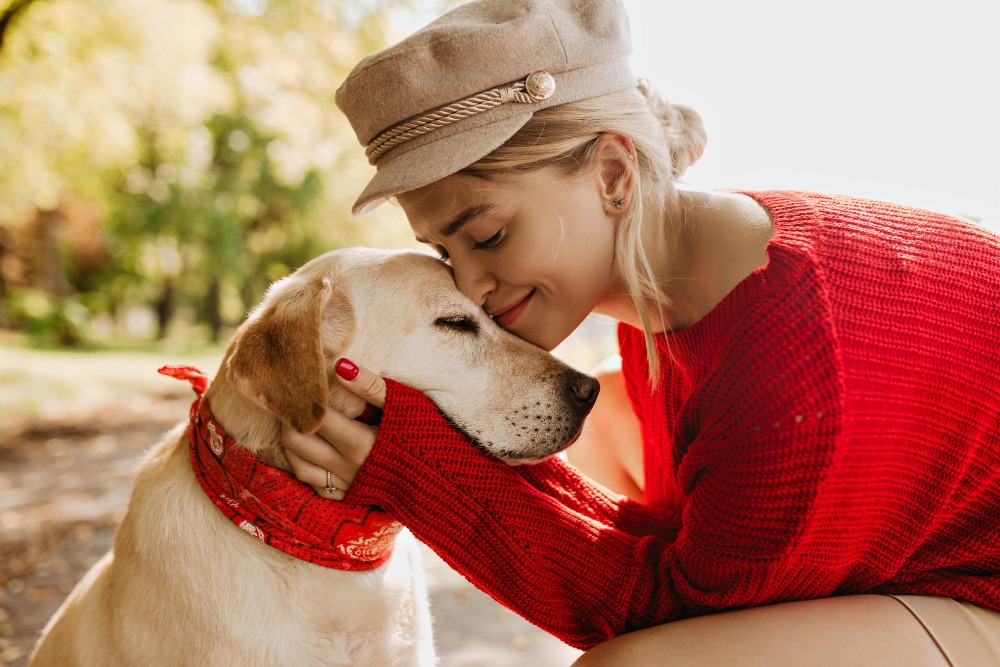
There are lots of benefits of adopting a dog including:
- The knowledge that you’re giving this dog a second chance at life. Not all dogs are lucky enough and although we do try very hard not to euthanise dogs in this country, if there is a whiff of a biting or snapping history and no one to take the dog, it’s an option some feel they must go with. Even when those incidents have happened for circumstances that could have otherwise been reasonably controlled. According to statistics, 21 dogs are euthanised every day because they can’t find a home.
- You already know your dog’s personality. (Kind of!). We say “kind of” as you can never be 100% sure. Many dogs will slowly uncover their personality the longer they’re with you. Puppies can often go through all sorts of transitions before you uncover their personality. And how you train them, and their experiences will all effect how they develop.
- You don’t have to go through the toilet training and sleepless nights! Again, this might not be true for all rescues, there could be some toileting issues or sleepless nights in those early days as they adjust. But likely no where near as time consuming as a puppy – which most people say is like having a baby all over again!
So what are the cons of adopting a dog?
The main con is that you don’t really know 100% how your dog is going to be. Even the rescues will tell you this. Even with all the assessments and monitoring that they do, after a few months post adoption and settling in you might see little behaviours or quirks emerge. Some might be amusing. Some annoying! But that’s the same with all dogs. Dogs are not robots and nor should we expect them to be! They’re our partners and teammates. They are animals that deserve our respect and understanding.
We get MANY rescues visiting us in the shop and they are absolutely darlings. Dogs are social creatures who enjoy being around their people. Some of them have a very select “few” people. Some are cheeky, funny, naughty, cute, and downright exhausting! Just be prepared that you might not get exactly what you want.
But like we always say, you don’t always get the dog you want, you get the dog you need.
If you’re bringing a rescue dog home and you’re local to Peterborough and Stamford, and you want to come and talk to us about all the essentials you might need for their first night, pop into our petshop and have a chat we’d love to help you!
FAQs about adopting a dog
Where can I adopt a dog in Peterborough?
There are dog rescue centres and rehoming charities in and around Peterborough, but national charities also accept applications from people in the area. It can be worth widening your search beyond Peterborough, as finding a dog that suits your home, lifestyle and experience is more important than finding the closest rescue centre.
How much does it cost to adopt a dog in Peterborough?
Adoption fees vary between rescue centres and charities. The fee usually contributes towards the costs of caring for the dog while they’re waiting for a new home and may include things such as vaccinations, microchipping, neutering and health checks. Always check exactly what’s included with the individual rescue.
What should I look for in a reputable dog rescue?
A good rescue should ask plenty of questions about your home, lifestyle and experience before matching you with a dog. They should also be open about the dog’s known history, health and behaviour, explain their adoption process clearly and ideally offer support after you take your dog home.
Is it safe to adopt a dog from a private individual?
There are more risks when adopting or buying a dog directly from someone you don’t know. You may have less information about the dog’s health, behaviour and history, and there may be little support if the placement doesn’t work out. If you’re considering a privately rehomed dog, ask plenty of questions and look at evidence, and don’t feel pressured into making a quick decision.
Can I adopt a dog if I have children?
Possibly, but this will depend on the individual dog. Some dogs can live happily with children, while others need an adult-only home or a home with older children. Be completely honest about who lives in your household so the rescue can make the safest match for everyone.
Can I adopt a rescue dog if I already have a dog?
Yes, depending on the dogs involved. A rescue may arrange for your existing dog to meet the potential new dog, sometimes beginning with a walk together in a neutral environment. The aim is to assess whether they’re likely to be comfortable living together.
Do dog rescues carry out home checks?
Some rescues carry out home checks before approving an adoption. They’re generally interested in whether your home is safe and suitable for that particular dog rather than how tidy it is. For example, they may check your garden, fencing and whether there are any obvious escape routes.
How long does it take a rescue dog to settle into a new home?
Every dog is different. Some appear comfortable relatively quickly, while others can take weeks or months before they feel completely secure and start showing their full personality. Giving them time, space, consistency and realistic expectations can make those first few weeks much easier. Everyone is keen to get their dog out walking but they might just need a week or two in the house and garden to relax first.
What do I need before bringing an adopted dog home?
The exact essentials will depend on your dog, but you’ll usually need suitable food, bowls, a comfortable bed, collar or harness, lead, identification tag, poo bags and a safe way to transport them home. Your rescue should tell you what the dog currently eats and whether there is anything specific they recommend.
What happens if adopting a dog doesn’t work out?
Speak to the rescue as soon as possible rather than struggling alone. A reputable rescue should explain what support is available and what happens if the placement genuinely isn’t right. Many will require the dog to be returned to them rather than privately rehomed elsewhere.
Should I adopt a dog or get a puppy?
There isn’t one right answer. An adult rescue dog may already have some training and you may have a better idea of their personality, whereas a puppy requires significant time for toilet training, socialisation and general training. Think carefully about your lifestyle, experience and the amount of time you can realistically give your new dog.
Related Posts