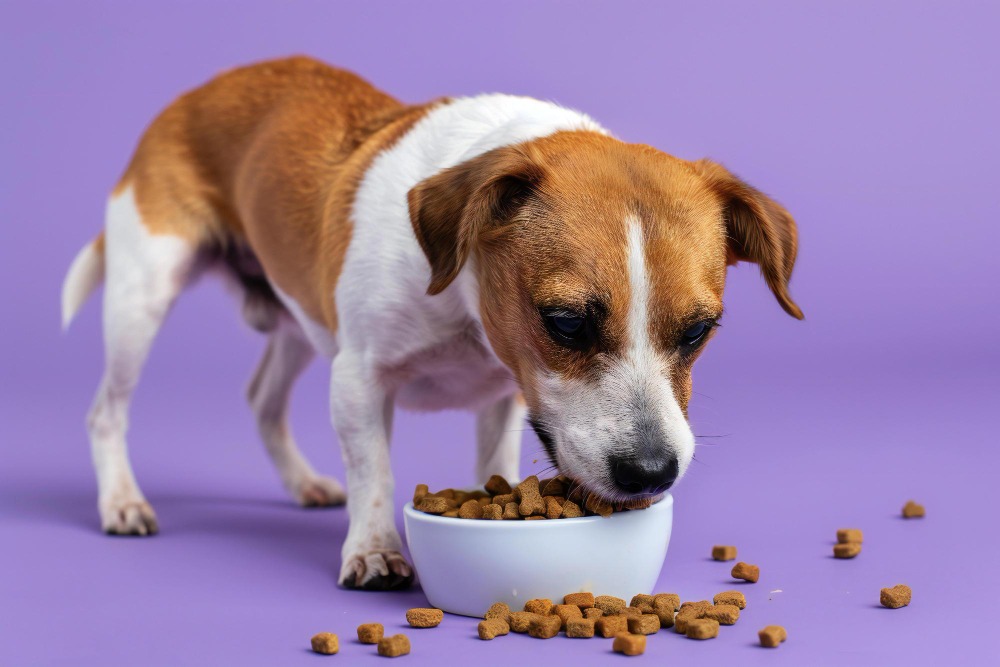
There are lots of things you can do at home to care for your dog…

How to stop a dog from chewing on things
“How do I stop my dog from chewing on things?”
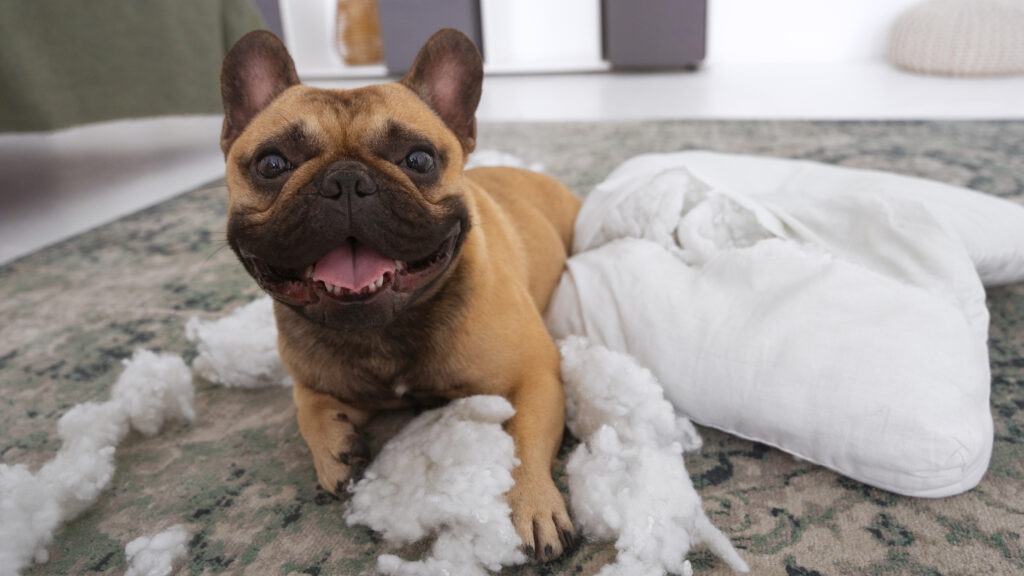
A question we get asked almost daily! Usually it’s the furniture, but let’s not forget about those very special dogs that like to take chunks out of walls, (yep, you’re feeling thankful it’s just the furniture now aren’t you?).
If you’ve got puppies, you might also find they enjoy chewing on you.
Here’s the thing. Dogs, puppies – they chew.
It’s a natural, normal behaviour, and unfortunately, it comes with the territory of owning a dog.
But there is a heap of stuff you can do to redirect and help your dog regulate their emotions a little better. Because just like human behaviour, the chewing is simply a symptom of something else. And before you can change that, you need to get to the underlying cause, so you know exactly how to deal with it.
Why does my dog or puppy chew on my furniture?
Teething, exploration, boredom or stress
Puppies chew A LOT. In fact, most new puppy owners aren’t really prepared for just how much. It’s a full-time occupation for some. This can be down to teething, exploration (they use their mouths to explore) or boredom – because chewing is fun! It’s important to let our dogs chew because it’s calming and releases stress. We don’t want to suppress those natural instincts; we want to redirect them.
It’s not (always) easy to tell the difference between a teething puppy and one who’s just curious and a bit bored. Here are some key things to try to remember.
Make sure your puppy or dog has plenty of chew time
There are natural chews your puppy can have (like these pizzles) which most puppies seem to love. A little stinky, but also super good for their teeth – did you know chews can clean teeth?
If you have an adult dog, you have a much wider selection of chews to pick from, including these Ostrich bones and lamb braids.
You can browse our huge selection of natural chews online, buy online, and we’ll hand-pack it for you to collect.
Natural wood is also a tasty treat for dogs to get their teeth into – leave the sticks at the park! Natural wood (like coffee wood) doesn’t splinter like sticks, so it’s not going to get stuck in your dog’s mouth, ending in a huge vet bill.
Rubber chew toys are great fun, but be careful not to leave your puppy or dog alone with them in case they chew small pieces off. Replace with a natural chew if they need to sink their teeth into something.
TIP: Putting your dog or puppy into their crate or on a bed with a natural chew is a great way to associate chill time with their bed.
What else can you do to stop your dog chewing on things?
We’ve talked about how important chewing is for dogs and how to give them lots of chewing time, but what else can you do to stop them chewing on your things?
1.Dog proof the things you don’t want chewing!
It’s unreasonable to expect a puppy to be left alone in your kitchen and not chew the juicy corner of the cabinet. Even if that juicy bone you bought them remains untouched, you can guarantee they’ll still fancy the cupboard. If you’re supervising, you can gently redirect them to the things you do want them to chew, or you can use a pen or crate.
Some dogs pick this up quickly; for others, it takes a little longer.
What you need to remember is (especially when teething) that just one incident of chewing your sofa, or brand new kitchen, has created a memory. One that brought them a lot of joy. Dogs are nothing if consistent.
In the dog training world, they call it ‘rehearsal’. Your dog will get really good at the things they rehearse – you get to choose what those things are.
Now let’s say you have a teething puppy that experiences great relief from chewing your furniture, then (you guessed it) they’re going to make a beeline for that same bit of furniture the next time their teeth hurt.
The more you can limit that rehearsal, the more chance you’ll have of a chew-free house.
2. Mental Stimulation & Exercise
Happy tired dogs are less likely to chew out of boredom.
Make sure walks are enjoyable and do not send them into a frenzy. They need to be the *good* kind of tired when they get home and find it easy to relax.
Let them spend plenty of time sniffing.
Did you know scent dog training in police forces is carried out in short bursts because it’s so tiring? Scent games are enriching for a lot of dogs.
You can do some scent training with your dog without having to attend a single class, and you only need 5/10 minutes of your day.
Try things like:
- hiding treats around the garden
- scattering treats on a walk in long grass for them to find
- placing food into sniffy mats or puzzle games
They’re all straightforward to do.
3. Long-lasting Kongs/treats
Another thing that calms dogs and stops them from chewing is spending time on long-lasting Kongs and treats. Things that’ll take a little longer to eat than your average chew. Freeze up their usual food inside a Kong and let them spend time licking and biting at it to get it out.
Check out our frozen raw room with treats like marrow bones – a popular favourite with customers.

Other important things to consider when helping your dog not to chew on your things
We’ve covered some of the foundations – here are a few bonuses!
- Don’t punish. There is no evidence to suggest that punishing or shouting at a dog for chewing makes any difference. Your dog doesn’t understand, and the only result is a dent in your relationship. Remind yourself that they can’t help it. If they’ve chewed something they shouldn’t have, then it’s our fault for not managing the situation better.
- Chewing can be self-soothing. If your dog is chewing on themselves, like their paw or their tail, it could be a sign of something more serious and a way to self soothe (just like we might bite our nails). We’d recommended a vet check asap.
- Dogs enjoy chewing different textures. Not all dogs enjoy chewing wood; some prefer softer textures. Match their treats and toys to their preferences.
- Frozen items are great for teething puppies. Think frozen carrots or ice blocks made from frozen bone broth.
- Are there separation issues? If your dog is chewing while you’re out, despite all the measures you’ve put in place, it could be a sign of anxiety, and we’d recommend consulting a behaviourist or an experienced trainer to work through it. Remember, when you know the cause, you can work on the symptoms.
- Calming sprays and scents. Calming scents like Pet Remedy can help relax your dog, which can lessen chewing.
You don’t need to be stuck with unwanted chewing – head into our pet shop near Peterborough, on the Market Deeping industrial estate, and we’ll point you in the right direction.
Related Posts