
There are lots of things you can do at home to care for your dog…
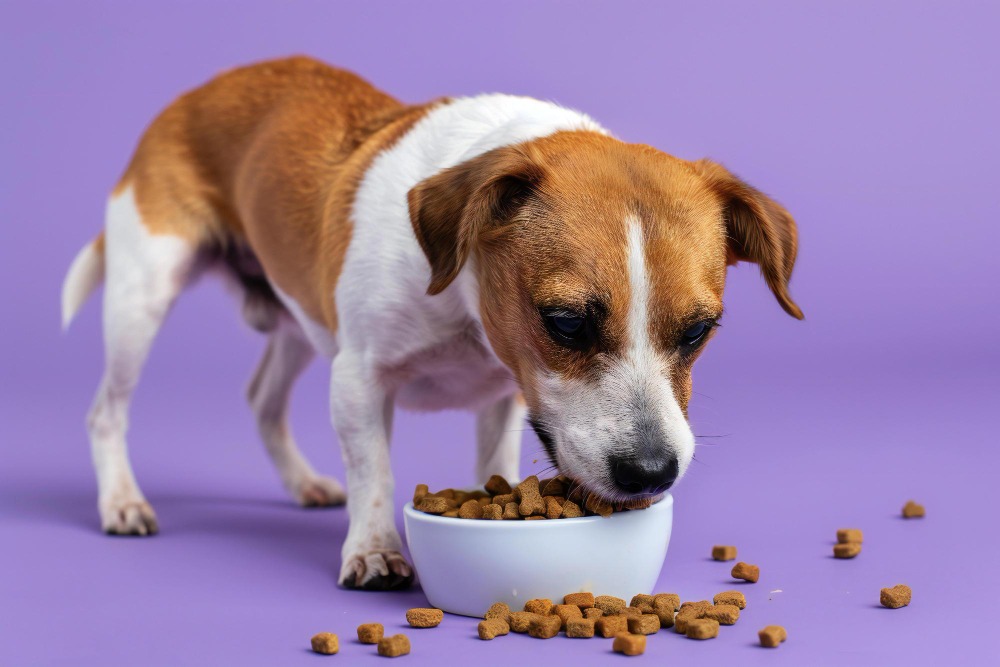
How to Choose the Right Dog Food for Your Dog
Choosing the right food for your dog usually involves more than looking at the type of food, whether that’s raw, dry, grain-free, puppy or senior. You also want to be looking to make sure it meets all your dog’s nutritional needs (it will usually say “complete”).
Your dog’s age and sensitivities also play a part in choosing the right dog food. So how do you know where to start when there is so much choice now?! Gone are the days of the supermarket stocking a few tins of dog food.
Now we have every type of food imaginable to cater to every dog’s need. Which is amazing when you think about it. Instead of treating dogs as all having the same needs, we’re considering their individuality. Which leads to a healthier and happier dog in the long term. Not to mention far less smelly and soft poops! Because no one likes picking those up right?.
So, what is the “best” food for my dog?
This might be the only time on one of our blogs that we say there isn’t one answer. Sorry. There is no specific “best” food for any dog. We can steer you in certain directions, but one size does not fit all in this case.
Some people don’t like to handle raw and so they’d rather feed their dogs dry food. Raw can also be more expensive. But that’s not to say that some of the dry food options are cheap.
The age of your dog, lifestyle and dietary needs is all relevant.
So rather than look at the “best” type of food. Let’s dive into the different “types” so you can figure out which is the best one for YOUR dog and YOUR lifestyle.
What stage of life is your dog at?
Is your dog a puppy, adult or senior?
A dog’s nutritional needs will change throughout their life. So looking at their age is the first thing to consider.
When puppies are growing, they need the right nutrition to support their growing bones, muscles and organs. Then once they hit adulthood, it’s all about maintaining their good body shape. But once in their senior years (anywhere from around 7-8 years old), maintaining muscle mass is important, so good quality protein is an important part of their diet.
You can keep an eye on your dog’s body shape by eye, and if they seem to be losing or putting on weight with no real explanation, maybe it’s time for a little vet visit.
What size and breed is your dog?
Size matters in this case! And the breed will determine if they have working lines. Some dog food is labelled specifically for ‘working dogs’ but that’s just a guide. We know some Labradors who are very happy to potter around the village and sleep most of the day, while some spend their days working in the fields. This distinction matters and so does their food. No one size fits all!
Smaller dogs may prefer small-sized kibble, which we find helps if you use it for training, as it lasts longer.
It’s a good idea to pay more attention to the activity of your dog. You know your dog better than anyone and their energy levels may change depending on the season or time of year.
We know dogs of similar sizes who eat very different amounts of food, because one is a lot more active than the other, and so need the extra calories.
What type of dog food should you choose?
Dry Dog Food
Dry dog food is usually the most popular type of food for dogs because of the convenience for dog owners. It’s easy to store and can be used for training and in things like puzzle feeders without causing a mess.
Dry food is dense, so it’s a good idea to make sure you weigh out what your dog needs every day to avoid overfeeding.
There are lots of dry dog foods available, from puppy to seniors to working dogs. There are even semi moist versions which tend to go down well with dogs who might be a bit fussier.
If your dog doesn’t like or get on with dry food for whatever reason, then there are lots of other options
Wet Food
Wet food contains more moisture than dry food so if you have a dog that struggles to drink a lot of water this will really help. A lot of dogs prefer the smell and texture too. If you’ve got an older dog that struggles to chew, wet food is a great option.
Wet and dry food can contain the same nutrients that a dog needs so there’s no best or worst choice there.
Wet food does need eating quite quickly once opened as it doesn’t stay as fresh and you likely need to feed more because it’s less dense.
Raw dog food
Raw has become increasingly popular over the years, to the extent that we now have a whole room full of freezers dedicated to it! With lots of local suppliers to choose from so you know your food hasn’t travelled too far together with all your brand favourites.
There are different types of raw, from raw meat, to complete raw which contains all the additional nutrition your dogs need. Which is important, as feeding just meat alone is not a sustainable diet for your dog.
Some people are concerned about hygiene when feeding raw, which is a valid concern, but all of the raw provided by our suppliers is tested constantly and prepared in batches to ensure the highest standards.
If you’re thinking about feeding your dog raw for the first time, we also have a raw food dog guide that dives into everything you need to know.
What should I be looking at on dog food labels?
Complete food
When you see something labelled as complete food this means it’s been formulated with all the essential nutrients your dog needs so can be used as a daily diet for your dog.
Other foods are usually complementary. So you can feed them alongside their complete meal. Like chews, treats and toppers.
Protein
Protein is essential for dogs as it provides amino acids that dogs need for things like muscle maintenance, enzymes, hormones and body function. Protein can be found in things like chicken, beef, lamb, eggs, fish turkey and other plant based ingredients. Some dogs can have an allergy to chicken but there are plenty of other proteins to choose from.
Feeding guidelines
All foods will have a feeding guide, and for those of you that like to have very specific instructions, you’ll likely find this a little frustrating as the guides are usually quite broad! They tend to give you a range for each weight of the dog (for puppies this is usually the “expected” adult weight but read the guide carefully
It’s a starting point.
Just like humans, you’ll need to take in lots of different factors like activity levels and energy needs, keep an eye on your dogs body condition and weight and adjust accordingly.
Dog food labels can give you useful clues, but no single ingredient or percentage tells you whether a food is right for your dog – the overall nutritional balance and how your dog does on it matters most.
Signs to look out for that your dog doesn’t get on with their food
Appetite is usually the first most obvious one. If they’re turning their nose up at it, there’s something that they either really don’t like, or even upsetting their tummy. You might also notice lose stools.
Some dogs might show signs of being allergic to chicken through itching.
If your dog is losing or gaining weight this might mean the amount you’re giving them needs adjusting.
If they’re panting a lot, that could indicate they feel sick, and of course, any vomiting or severe diarrhoea- always check with your vet in case it needs any further investigation and let them know that your dog has recently started a new food. It may be that – or it may just be a coincidence that they started new food at the same time.
Still not sure which dog food to choose?
No problem! The choice CAN feel overwhelming. Pop into the pet shop and we’ll talk through your dog, their breed and age, and likes or dislikes and we’ll give you a few to choose from.
We also have our very own wet and dry ranges that we’ve carefully handpicked because they cover everything your dog needs nutrition wise.
FAQs: How to Choose the Right Dog Food for Your Dog
1. What is the best food for my dog?
There isn’t one single “best” food for every dog. The right choice depends on your dog’s age, size, breed, activity level, lifestyle, sensitivities and individual dietary needs. The most important thing is choosing a food that provides complete and balanced nutrition that your dog does well on.
2. What does “complete” dog food mean?
A complete dog food has been formulated to provide all the essential nutrients your dog needs as part of their daily diet. Other foods like treats, chews and toppers, may be complementary rather than complete and should be fed alongside a complete food.
3. Should I feed my dog dry, wet or raw food?
Dry, wet and raw food can all be suitable options, depending on your dog and your lifestyle. Dry food is convenient and easy to store, wet food provides additional moisture and can be useful for dogs who struggle to drink or chew, while complete raw food can provide a balanced diet when properly formulated. No single type is best for every dog.
4. Does my dog’s age affect the food they need?
Yes! Puppies need nutrition to support the growth of their bones, muscles and organs, while adult dogs need food that helps maintain a healthy body condition. For senior dogs, maintaining muscle mass becomes more important.
5. Does my dog’s size or activity level affect how much food they need?
100%. Dogs of the same size can need very different amounts of food depending on how active they are. A working or highly active dog may need more calories than a dog that spends most of its day relaxing. Feeding guidelines are a useful starting point, but you should also monitor your dog’s weight and body condition and adjust their food as needed.
6. What should I look for on a dog food label?
Start by checking whether the food is labelled as complete. You can also look at the protein sources and feeding guidelines. The thing is, no single ingredient or percentage tells you whether a food is right for your dog. Overall nutritional balance and how your individual dog responds to the food matter more.
7. How can I tell if my dog doesn’t get on with their food?
Signs can include a lack of appetite, loose stools, itching or changes in weight. Some dogs may develop sensitivities to particular ingredients, such as chicken. Always discuss vomiting or severe diarrhoea with your vet, especially if your dog has recently started a new food.
8. What should I do if I’m not sure which food to choose for my dog?
Choosing dog food can feel overwhelming because there are so many options. Consider your dog’s age, breed, size, activity level, likes, dislikes and dietary needs. If you’re still unsure, speak to us in the pet shop or your vet can help you narrow down the options and find a suitable food for your dog.
Related Posts


