There are lots of things you can do at home to care for your dog…
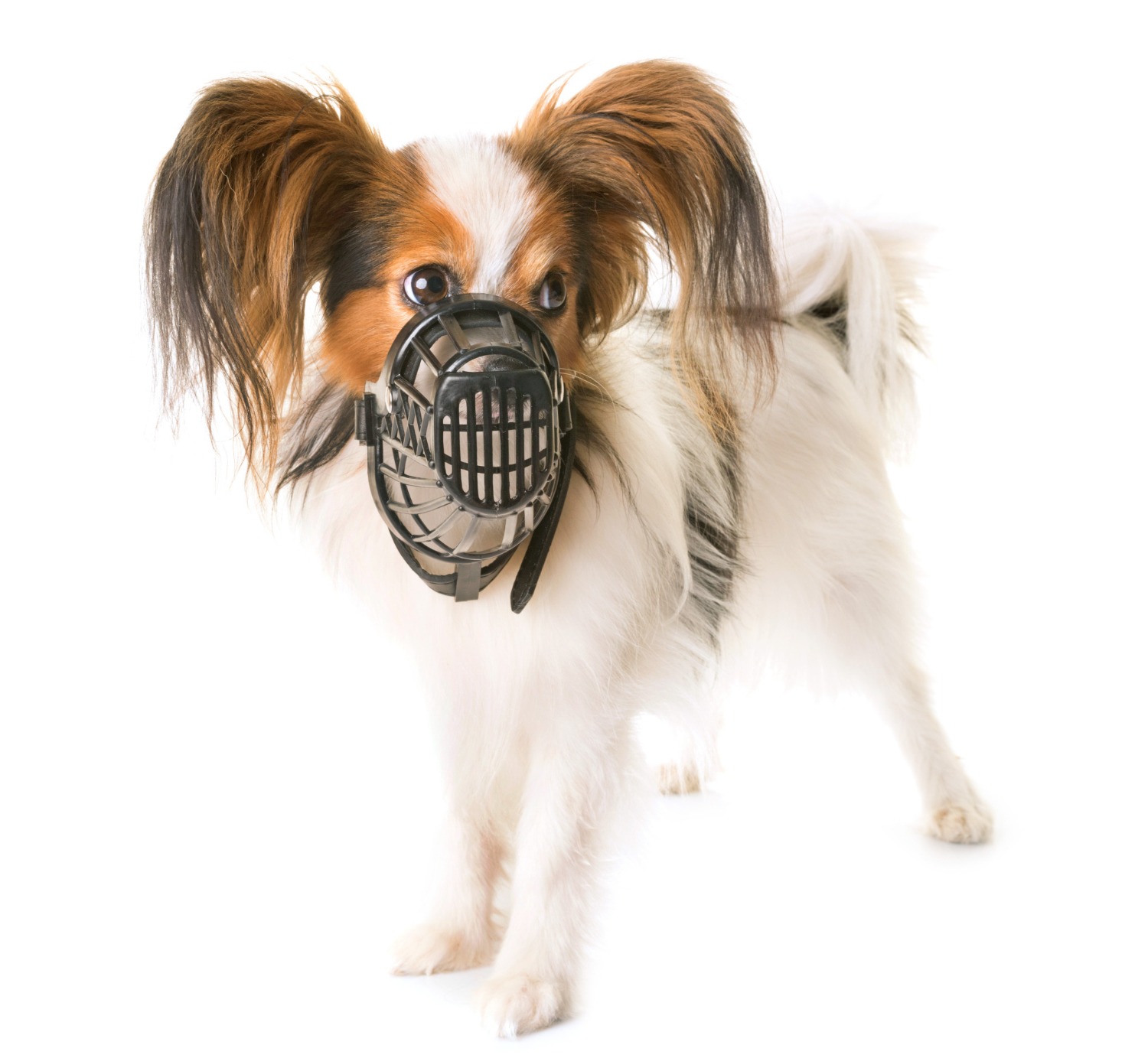
Dog Muzzles – When to use a dog muzzle (and how to put one on)
Dog muzzles are used for a variety of reasons, but before we go any further, let’s dispel a myth very quickly.
Dog muzzles are NOT to be used to stop a dog barking.
Trainers and research say that this is NOT an effective way to reduce barking and can actually create more problems.
If barking is the problem, you need to get to the bottom of why they’re barking first, which we discuss in our blog on how to train a calm dog.
Okay – now we’ve cleared that up! Let’s get back to what a dog muzzle is actually for, when you might need one, why it’s an excellent tool for your dog in very specific situations, and how to fit one.
In what situations would you use a dog muzzle?
Dog muzzles get a bit of a bad rep. When we see one, we tend to assume the dog must be aggressive and mean. But this isn’t the case. Here’s a list of different reasons why a dog might need a muzzle:
Reactivity
Aggression is the result of reactivity. And reactivity is the result of a dog being scared or fearful.
So yes, sometimes a dog will wear a muzzle because the owner thinks they may be at risk of snapping or biting someone in certain situations.
This might be:
- while at the vets
- when around other dogs
- out on walks where you might get joggers or cyclists
It doesn’t necessarily mean the dog will bite; it’s a safety precaution because the owner knows the dog can sometimes behave erratically in certain situations. It might be that they’re currently in training, which at some point means taking them further into the world to face some of their triggers.
Dogs are animals. And they can act out of character when spooked or scared. And of course, the bigger and stronger the dog, the bigger and stronger the bite. So if you think there is a chance your dog may snap, for example, when visiting the vets and being handled, especially when in pain, it’s a great idea to safeguard your dog and the vet with a muzzle.
When in pain
If your dog is in pain and handled, say, by the vets or by you at home, you might want to consider a muzzle. It’s hard to communicate to a dog that you’re trying to be helpful when changing a bandage or clipping their nails. Some dogs simply don’t enjoy it.
Ideally, you would train these dogs with specific handling techniques. But when you don’t have the privilege of time on your side, and they need urgent attention, a muzzle is vital.
If they scavenge on walks
Some dogs like to scavenge more than others. Dead, rotten animals, faeces from both other dogs and wild animals, and other unsavoury objects that might get them into bother. This can make them sick, be very unpleasant and incur costly vet fees! So you might see a dog wearing a muzzle purely to control their scavenging behaviour.
Hunting instincts
Some dogs, like greyhounds, were bred to hunt and catch small animals, such as rabbits. You’ll hear it called a prey drive. This means that when they spot and chase a small animal, they are intensely focused on hunting it down and killing it. If muzzled, they’re not going to be able to hurt it.

How to train a dog to wear a muzzle
There are different ways to train a dog to wear a muzzle. And you’ll find lots of different advice and training tutorials online. If you have a dog trainer, you can work with them on a method that works for your dog.
Some dogs take to it straight away; others take a little longer. What you don’t want to do is create a bad experience for an anxious dog, by putting it straight on and leaving it on with little preparation or training.
They’ll likely try to take it off and hide when you need to use it again.
Instead, you want to turn the experience into a fun game and an enjoyable experience.
You can do this in a number of ways, and in different steps.
Step one – get them used to putting their nose it in before tying it up.
You can use a training technique called ‘shaping’ where you hold the muzzle out and wait for THEM to do what you want. Any time they put their nose near it, you say ‘yes’ and reward them with a treat or game.
Eventually they will put their nose in it, at which point you say ‘yes’ and you double reward them!
You can reset this ‘game’ by putting the muzzle behind your back and then producing it in front of you, and waiting for them to move towards it.
Soon they get the idea and realise that every time you produce the muzzle they put their nose in, and they get a treat.
If you or your dog are struggling with the shaping technique you can also feed treats through the muzzle. You can encourage your dog to put their own head in the muzzle by feeding treats through the other side, or putting cream cheese on the inside.
Step 2 – Tying it up
Once they seem comfortable putting their head in the muzzle, tie it up, feed them treats through the muzzle, then take it off. Do this over a few days and resist the temptation to leave it on for too long!
Step 3 – Making it normal
When it’s tied up, instead of taking it straight off, play a game with them, get them to chase some food, walk up and down with their lead on – normal things you might do that will take their attention away from the muzzle and make it more ‘normal’.
Do these games for a few minutes a day and take it back a step if they seem to be struggling.
It might sound like a long process, but you’ll be grateful when you have a dog that isn’t scared of their muzzle or trying to take it off.
If you want to talk to us about a muzzle for your dog then please do pop into store and have a chat with us and we can help you choose the best muzzle for your breed depending on what you need the muzzle for as we have a few different options.
Dog Muzzles FAQs
Are dog muzzles cruel?
Not at all – when used correctly, a muzzle is not cruel. A properly fitted muzzle will allow your dog to pant, drink and take treats, which is why it’s so important to get it fitted properly. Muzzles are a safety tool designed to protect your dog and others in very specific situations, like vet visits, and not a punishment.
Can a muzzle stop a dog barking?
Muzzles are not designed for and should never be used to stop barking. Barking is a behavioural issue with underlying reasons that requirea training and understanding. Using a muzzle to try and stop barking is generally ineffective and could create additional stress or anxiety.
When should a dog wear a muzzle?
A dog might need a muzzle in situations such as:
- Vet visits or medical treatment
- When in pain or being handled
- During training for reactivity or fear
- Walks where there may be triggers like other dogs, cyclists or joggers
- To prevent scavenging or hunting small animals
A muzzle is there as a precaution; it’s not a sign that a dog is aggressive.
Can dogs drink and take treats while wearing a muzzle?
Yes absolutely – with a properly fitted muzzle, dogs can drink water, pant (to regulate their temperature) and take treats during training. If they can’t, then the muzzle is the incorrect size or shape for the dog.
How long can a dog wear a muzzle?
Muzzles should be worn only when needed and for appropriate periods. They should never be left on for long, unsupervised periods. Train your dog step by step and gradually ntroduce the muzzle to help your dog feel comfortable wearing one.
How do I get my dog used to wearing a muzzle?
Take it slowly and introduce your dog to the muzzle with training games. Reward your dog for showing interest at first, and then reward them for placing their nose inside. Slowly build up to fastening it for short periods while keeping the experience calm and positive.
Do all dogs need the same type of muzzle?
The best muzzle for your dog will depend on their breed, size, and the reason for using it. A proper fit is essential for comfort and safety, which is why it’s important to research all the options and speak to pet shop owners like us who are experienced in selling muzzles.
Related Posts