If you’re looking for a puppy in Peterborough, then we hope you’ve stumbled across this…
Common Cat Behaviour Struggles (what your cats are really trying to tell you)
Ever wondered why your cat has suddenly turned into a zooming, biting beast? Or has suddenly decided their favourite scratching post is dead to them because your precious furniture is the new best thing?
Don’t worry – we’ve got you. In this article, we get behind some of the most common cat behaviour struggles, why your cat might be doing them, and what you can do to help.
Cat behaviour struggle one – scratching furniture
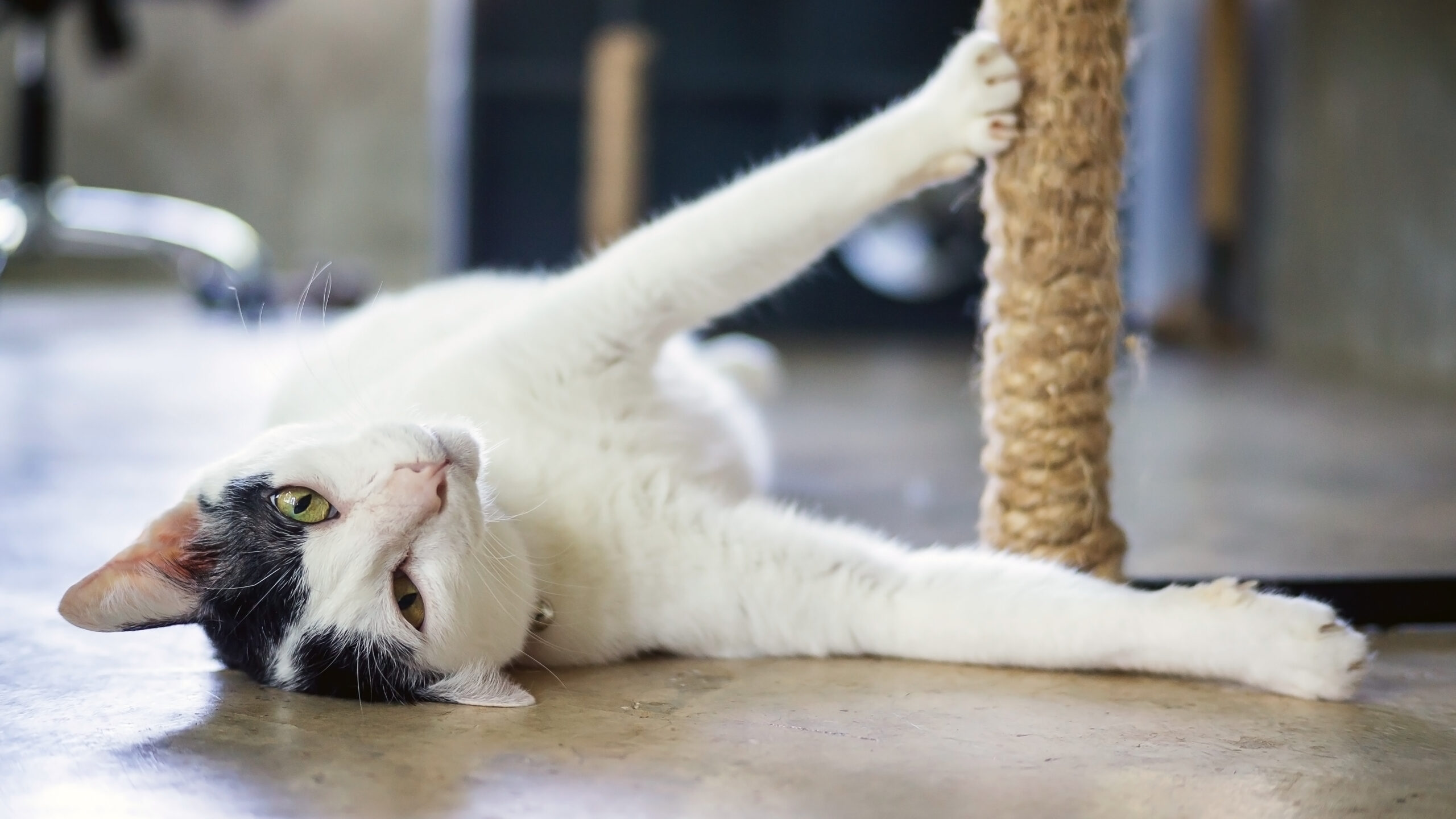
You might be wondering why your cat continues to scratch the same piece of furniture, despite the lovely new scratching post you bought, which is sitting right in front of them.
But here’s the thing – cats don’t scratch just to sharpen their claws. They scent mark and use it as a form of stress relief.
You probably didn’t know that cats have scent glands in their paws; they’re leaving comforting signals for themselves when they scratch. So that leg of the sofa they won’t leave alone, they’ll keep going back to it again and again because it just smells soooo good!
How then do you stop this repeating circle?
Here are some things you can try:
- If they’re targeting one particular spot, you need to restrict access to it for the time being. Either move it to another room, cover it up with a sofa protector, or blockade it with another object.
- Put the scratching post next to it – often people pop them in corners out of the way – so bring it out and put it next to the place they keep going back to.
- Use catnip on the post to attract them – this is usually a win as cats find it very hard to refuse the sweet catnip! Once they’re rolling around next to the post and getting frisky, you stand a much better chance of them taking interest in their new post.
- Perhaps your cat just isn’t into vertical scratching and prefers a different angle. Try something horizontal instead. We have these horizontal scratching boards in the shop, which you could sprinkle catnip on.
Cat behaviour struggle number 2 – biting
Biting during petting
If your cat has always tried to bite you during petting, it might mean they don’t enjoy being petted as much as you enjoy petting! All animals have their own preferences and personalities – if you have more than one cat you’ve probably found they’re very different.
Some things you can try
Keep an eye out for signs your cat has had enough. It might be their tail starts twitching, their ears go back, or they start to stiffen.
- Keep petting sessions short and don’t shout at them if they bite. They won’t understand why you’re telling them off, and it’s not going to improve your relationship. Instead, stay calm and remember to keep the session shorter next time. Over time, your cat may allow you to pet them for more extended periods, but this needs to be built up gradually; don’t force it.
- Try not to flap your hands around if they do try to mouth you. That’s only going to trigger their prey response and make them more likely to chase your hands and bite down. (Ouch!)
- It goes without saying that children should be supervised during interactions if your cat is a bit of a biter. And be sure to tell them your cat isn’t a massive fan of hugs. Show them how your cat shows love by playing with toys and play wands.
- Give them plenty of play time – they need outlets to practice their instincts like hunting. If you have an indoor cat that doesn’t get to practice hunting outside, you should make it a regular activity.
When the biting is out of the ordinary
When the biting has come on suddenly, think about what else might be going on for them. What else could be stressing them out? A new house move? New pet? Or perhaps they’ve hurt themselves? (They’re super good at hiding pain!). If you’re not sure consider taking them to the vets for a check-up.
Cat behaviour struggle number 3 – avoiding the litter box
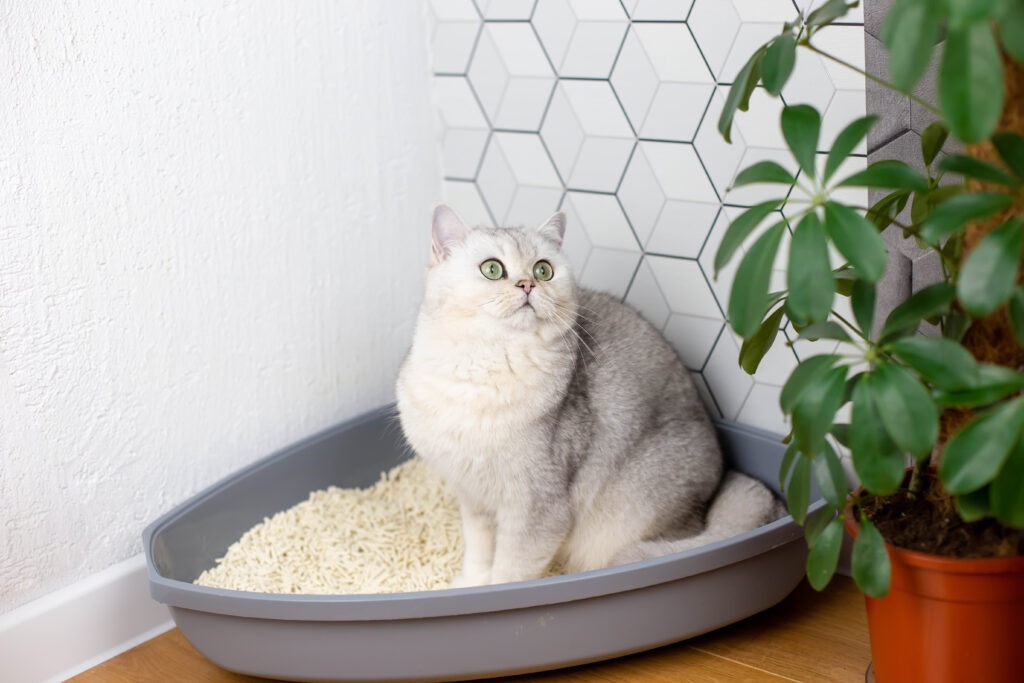
When a cat decides it’s not going to use the litter box, it’s natural to worry. They can hold those poops in pretty well when they want to! But it can’t be comfortable. There’s usually a reason behind it, and being as we can’t ask them (wouldn’t that be grand?), you’ll need to work through some of these strategies one at a time to see what works.
- Scoop the tray daily. Some cats are really fussy about a clean litter tray. In fact, the majority of cats are clean freaks. Scoop the poop as soon as you see it and wash out the litter tray weekly with a mild soap so it doesn’t leave behind a strong smell. We have litter tray cleaner in the shop you can buy, which is specifically designed for this reason.
- Use the rule of thumb, one litter tray per cat plus one extra if you can. Remember, cats = fussy. They like their own toilets.
- The location of the tray can really matter to some cats. They like to do their business in private. You might be reading this thinking, ‘not my cat!’. We know there are those cats who like to time their poops with their humans sitting down for dinner in the kitchen – so thoughtful… You could pop the tray away from their food and water bowls in the private somewhere – under the stairs, maybe. You can also buy covered cat litter trays. We have some in-store you can check out here.
Is your cat peeing on your bedding, towels, or other soft materials?
If you find your cat is peeing on material things suddenly, like rugs or towels, this might signal a UTI. Especially if it’s happening constantly, and there’s very little urine coming out. This is a common problem for female cats and typically occurs when they’re stressed. You can try some stress-relieving remedies, such as sprays, but we always recommend consulting a veterinarian for further investigation in case the issue is more serious.
Some cats can develop a build-up of crystals in their urethra, which can lead to various complications. So, go and get them checked out as soon as possible.
Cat behaviour struggle number 4 – knocking things onto the floor
If your cat has never knocked something on the floor, are they even a cat?
Okay, jokes aside, this can start as cute and funny and turn annoying very quickly – especially at 3 a.m!
You might think your cat is doing this to annoy you, but honestly, it’s just being playful, curious and testing what might happen. Cats are quick learners, and if knocking something on the floor at 5am gets you up to feed them, guess what they’re going to do the next day?

So what can we do about it?
- Think about why they’re doing it? Maybe they really enjoy it. If so, why not provide them with their own special batting window sill, with toys that they can push on the floor. Their own special batting place.
- Your cat might be naturally playful and needs more stimulation than most. Offer more thrilling toys like crinkly balls they can bat around or treat dispensing toys.
- If you’re worried about particular breakables, maybe move them out of the way for the time being while you cat practices on their own special shelf.
- Redirect them – if you notice them heading for one of your shelves, play with one of their toys instead.
- Is there anything else going on that’s stressing them and causing the behaviour? Any recent changes in the house? Consider using something like Pet Remedy to help relax them around the house.
In summary
Most cat behaviour really is just normal, natural behaviour that needs to be met in ways that don’t annoy their human owners! When it gets out of hand, or your cat is really not themselves, perhaps withdrawn or particularly grumpy, there might be deeper issues at play that require a vet investigation.
Check out our huge range of cat toys, treats, beds and more on our website.
Related Posts