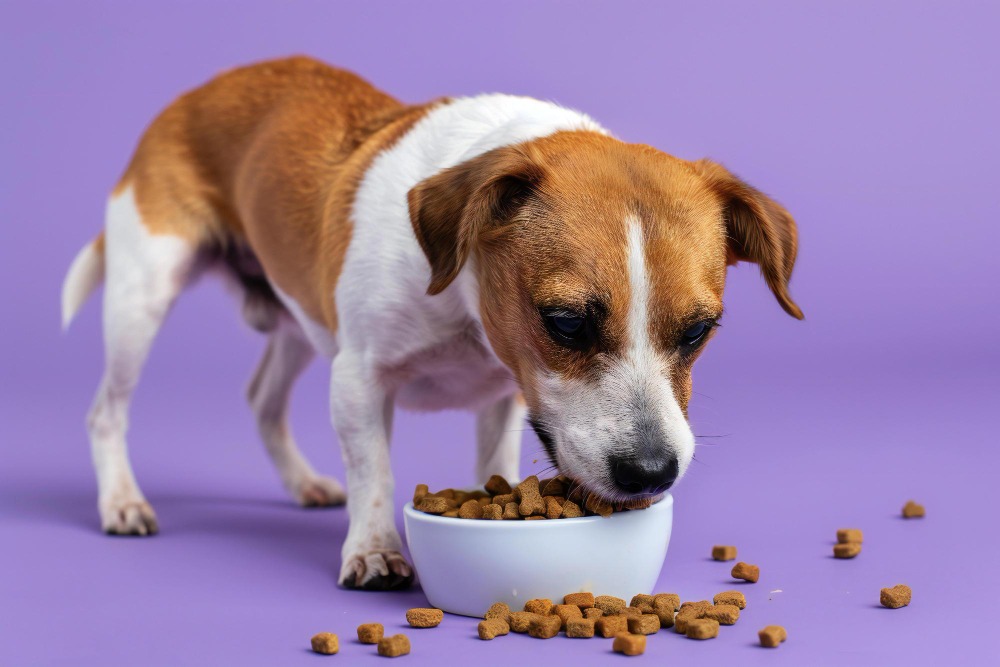
Choosing the right food for your dog usually involves more than looking at the type…

What care does a dog need at home?
There are lots of things you can do at home to care for your dog from grooming, regular checks of their skin and cleaning paws, ears and teeth. How often and when you do it depends on their age, breed and lifestyle. But regular checks mean that you can catch things early, like skin irritations, lumps and bumps and any dental problems that might be starting. The sooner you can catch things the less stressful (and less costly!) it will be for you and your dog.
Why is routine dog care important?
The animal trust recommends regular grooming checks to keep on top of things like:
- Preventing ear mites/fleas
- Removing dead skin
- Preventing skin irritation
- Ventilating the skin
- Getting rid of dead hairs
- Promoting a healthy coat
But while doing general grooming and care checks you can also check for things like:
- lumps and bumps
- changes to the skin or coat
- sore or cracked paws
- overgrown or damaged nails
- red or uncomfortable ears
- changes to teeth or gums
You’re not just grooming or cleaning your dog; you’re carrying out preventative care.
The sooner you start this the sooner you can also clock what’s normal for your dog. As all dogs are different. What looks normal for one, might be different for another.
How often should you groom and check your dog?
So, there isn’t really an answer to this in terms of what’s classed as regular.
For example, a short-haired dog is going to need a lot less grooming than a long-haired dog, or a dog with a tight, curly coat like a cockapoo might need regular clips at the groomer.
Some dogs’ nails grow faster than others.
Some dogs do a lot of pavement walking, so their nails rarely need clipping at all.
Take a look at your dog and decide on their own schedule.
Maybe it’s a weekly brush and a quick check of their ears, nose, teeth and paws and then trim their nails once a month.
Or, if they have longer hair, a daily brush will keep tangles and things that can get stuck in their fur on walks at bay.
When it comes to bathing, a lot of dogs are actually pretty good at keeping themselves clean. Take a border collie for example, their coats are very well adapted to the outdoors and so once the mud dries, you’ll find that they tend to leave a dusting of dirt behind them!
Of course, if your dog rolls in something a bit less favourable you’re going to want to get the doggy shampoo out – we’ve even got ones that are dedicated to getting rid of those lovely fox poo smells.
What brush should I use for my dog’s coat?
Different coat types need different grooming tools, so there isn’t really a universal “best dog brush”.
Border Collies have double coats, and so you’ll need a brush or tool that can get through the topcoat and reach the softer undercoat underneath.
Some short breed dogs are better with a fine comb or a rubber grooming mitt.
Poodle-type dogs and breeds with a curly coat need more maintenance because their coats can matt easily, so look for slicker brushes that can work through curls and tangly areas around the ears, tail and armpits.
If you’re not sure, then ask us in the shop and we’ll show you the different tools for the different jobs!
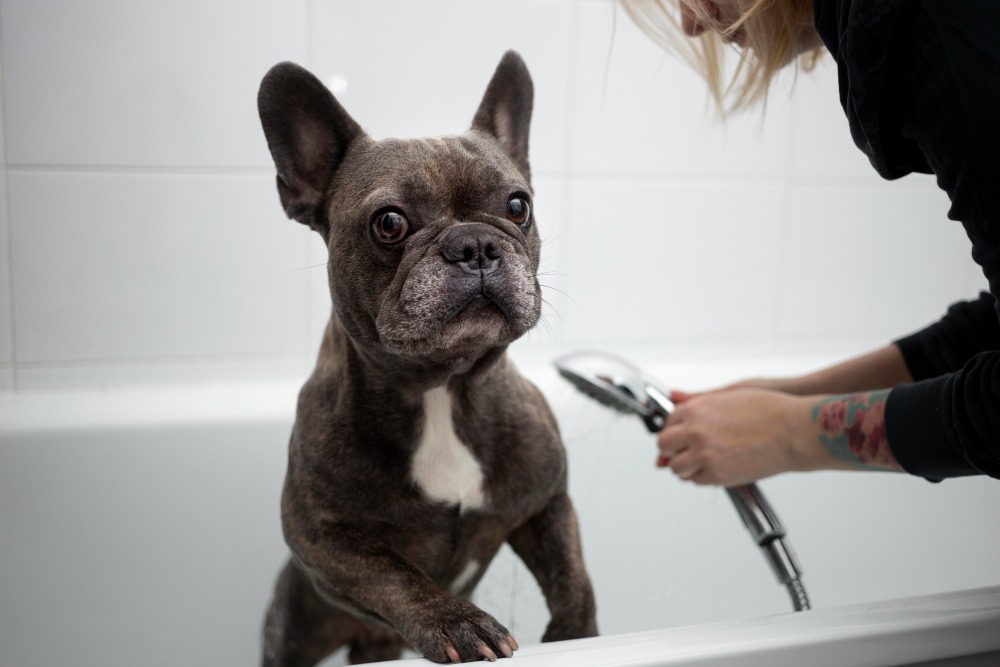
How often should you bathe your dog?
Honestly? As we said before, dogs shouldn’t need bathing that often. But how often you do it will very much depend on their lifestyle and their coat.
Sometimes the reason to do it is simply that your dog has discovered something disgusting (either dead or droppings!) and decided to roll in it.
When you do bath them, please use a shampoo that’s specifically formulated for dogs. Human shampoos can irritate the skin. We’ve got lots of dog shampoos you can choose from.
How do you know when your dog’s nails need clipping?
If your dog’s nails don’t wear down naturally, then when they need clipping depends on how it’s affecting them. You can usually hear your dog tippy tapping on hard surfaces and see that their nails are touching the floor or in some cases they even start to make your dog walk differently. Ideally your dogs’ nails shouldn’t be taking significant weight when standing.
When you do clip them, you need to use special tools – NOT your home nail scissors! Dog’s nails are tough. So you need to use dog nail clippers or a grinder.
You also need to be aware of something call the quick. This is the sensitive bit within the nail that contains blood vessels and nerves. If your dog has clear nails, you can see it – but it’s harder to see in black or darker nails.
If you cut into the quick, then your dog’s claw is likely to bleed, and it can also cause them some pain. So, take tiny snippets at a time instead of trying to cut a large bit off in one go. This will also be more comfortable for your dog.
If you’re struggling, especially with dark nails, then speak to your vet and they’ll give you a hand.
What about your dog’s paws?
These could do with a little check over every now and again. They’re in constant use of course! Don’t forget to check between pads too for things like:
- cuts
- cracks
- thorns
- grass seeds
- redness
- broken nails
- ticks
Do I need to regularly clean my dog’s ears too?
PDSA advises that most dogs don’t need regular ear cleaning unless they have particularly waxy or dirty ears or suffer recurrent ear problems. If an ear is red, painful, smells unusual or has discharge, you should contact a vet rather than simply cleaning it.
Signs to look for:
- redness
- swelling
- excessive wax
- discharge
- unusual funny smell
- head shaking
- scratching
- pain or sensitivity
Note: Never put cotton buds into your dog’s ear canal. PDSA specifically warns against this because it can push debris further into the ear or cause damage.
What can I do to look after my dog’s teeth?
Dental care is important, not just because it’s kind to keep your dog’s teeth in good condition, but because often, it’s not covered under insurance. So, if your dog ever has any problems with their teeth, it’s likely not to be covered and can get very expensive very quickly!
Plaque can build up and harden into tartar, contributing to dental and gum disease. So it’s recommended that you brush your dog’s teeth every day. But we totally get that this isn’t always an option for everyone. Especially with nervous dogs.
Some of the things available to help you clean your dogs teeth.
- dog toothbrush and toothpaste – these can come in different types from the brushes that slip over your finger, to an actual toothbrush. Toothpaste comes in different flavours to make it more palatable.
- dental chews – these are specially formulated sticks that are designed to help remove plaque and freshen breath.
- dental supplements – you sprinkle or mix these into your dog’s food, usually made from seaweed, they naturally react with the plaque in your dogs mouth and freshen their breath at the same time.
Note: Never use human toothpaste. Some contain ingredients that are toxic to dogs so stick to the specially formulated dog toothpastes.
It goes without saying, that if you notice anything unusual your vet is always a good point of call. If your dog doesn’t like to be handled many vets will be happy for you to take a few pictures, or a video.
And of course, we’ve got everything you need in store to make up your very own at home care kit so just pop in and we’ll give you a hand.
Related Posts