
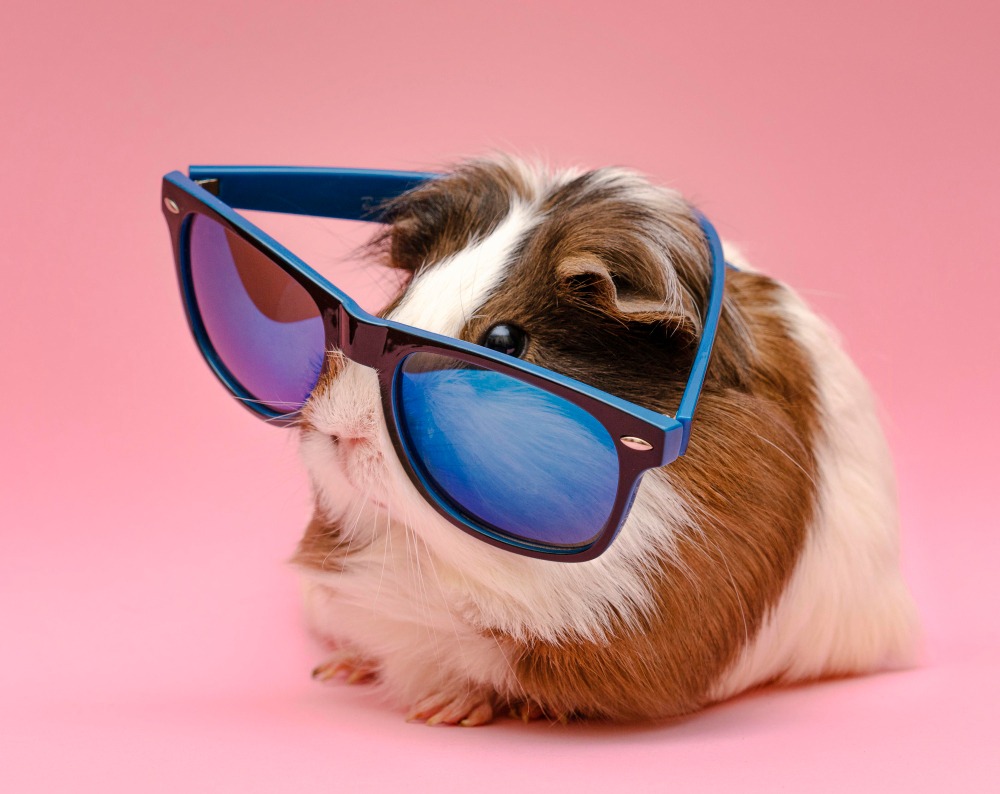
How to keep your guinea pigs and rabbits cool in the summer
We often think about how to keep our dogs and cats cool in the summer, but keeping our small animals cool is just as important. Even more so as they’re often confined to a smaller space.
To keep your small animals like rabbits and guinea pigs cool in the summer you need to keep an eye on the temperature as anything over 25 degrees is when things become risky, 30 degrees and potentially dangerous. Keeping them in shady areas or even moving indoors can make all the difference. You can also utilise things like frozen bottles and ceramic tiles.
Here are some things you can do to keep your small animals cool, and things you can look out for that might indicate signs of heatstroke and dehydration.
Setting up a summer ready hutch for your rabbits and guinea pigs
A great start is to think about how to design and place your hutch during the summer. If possible one of the best places to be is in the house with you where its cooler. When we have heat waves in the UK and the temperatures reach 30 degrees, it’s often cooler in the house so this is the easiest way to keep them comfortable.
Heatstroke can happen even when your animals aren’t in the direct sun so you still need to keep a close eye on them during really hot periods.
If outside you also need to make sure they’re in a shady place with airflow. Remember, they can’t move around the garden – they’re limited, so unlike cats and dogs they can’t simply move to a cooler area.
Things you can use to help your rabbits and guinea pigs cooler in the summer
Rabbits and guinea pigs lack sweat glands so they loose heat through their ears and skin. They help themselves by spreading out and moving to cooler areas.
You can help to keep your small animals cooler by giving them a few extra tools:
Frozen bottles – you can freeze bottles and wrap them in a towel or you can buy special covers for them, so they can lay near them to keep cool.
Ceramic tiles or slate – these are naturally cool and your piggies and rabbits will be very thankful for the cool place to spread out on.
Fresh cool water – change their water a little more often than usual as they’ll likely be drinking more.
Shade – do not leave your small animals in direct sunlight. When it’s warm they must be able to relax in the shade with some airflow. Hutches can heat up quickly and can be hotter inside than the outdoor temperature.
Grooming – regular grooming your animals that have long hair can also really help reduce excessive fur.
Cleaning more regularly – your small animals are more susceptible to things like flystrike in the summer, which is a really nasty and life threatening conditions, exasperated by dirty hot hutches, so nice fresh bedding daily will help to reduce the heat and any hygiene issues.
Hydration boosting foods – feeding in moderation, juicy veggies can really help. You can feed things like cucumber, lettuces (not iceberg) and refreshing herbs. Fruits are refreshing but also sugary so feed in moderation.
How do I know if my rabbit or guinea pig has heatstroke?
If you notice your small animal has heatstroke they need to be seen as an emergency.
Some of the early signs to look out for (and keep an eye on) are:
Showing signs of lethargy and being less responsiveness
Going off their usual food and being fussy about eating
Feeling warm with warm ears
If you see any of the following signs it’s a very high chance it’s heatstroke:
- Panting
- Drooling
- Collapsing and weak
- Having a seizure
What to do if you think your rabbit or guinea pig might be dehydrated or experiencing heatstroke
Move your animal to somewhere cool immediately and offer them some water. You can also use a damp towel on their body to cool them down gently.
It’s also a good idea to call a vey straight away for advice as they may want you to take them in to check them over.
FAQS
How do I keep my guinea pigs and rabbits cool in the summer?
To keep guinea pigs and rabbits cool in the summer, keep them out of direct sunlight, make sure they’ve got good airflow, and give them some cool things like ceramic tiles. Always monitor temperatures – anything above 25°C can be risky, and 30°C is potentially dangerous. If there’s a heatwave then ideally bring them inside.
What temperature is too hot for guinea pigs and rabbits?
Temperatures above 25°C can be dangerous for guinea pigs and rabbits, and anything above 30°C increases the risk of heatstroke. Hutches can become even hotter than the outside temperature.
Can rabbits and guinea pigs get heatstroke?
Yes, rabbits and guinea pigs can get heatstroke, and it is a medical emergency. Because they can’t sweat, they struggle to regulate their body temperature and can overheat quickly when it gets hot.
What are the signs of heatstroke in rabbits and guinea pigs?
Early signs include lethargy, reduced appetite, and warm ears. More serious signs include panting, drooling, weakness, collapse, or seizures. If you notice these symptoms contact your vets straight away.
What should I do if my rabbit or guinea pig has heatstroke?
Move your pet to a cool area immediately, offer fresh water, and gently cool them using a damp towel. Contact a vet straight away, as heatstroke can become life-threatening super quickly.
Do guinea pigs and rabbits sweat?
No – they regulate heat through their ears and by lying on cool surfaces, which makes them more vulnerable to overheating in hot weather.
Can rabbits and guinea pigs stay outside in hot weather?
Rabbits and guinea pigs can stay outside in warm weather if they have constant shade, airflow, and protection from heat. During heatwaves, it’s often safer to bring them indoors where temperatures are cooler.
What can I put in a hutch to keep rabbits and guinea pigs cool?
You can use frozen water bottles wrapped in towels, ceramic tiles, shade covers, and fresh bedding to help keep hutches cool. They really need proper ventilation to prevent heat build-up.
Do rabbits and guinea pigs drink more water in summer?
Yep, rabbits and guinea pigs usually drink more water in hot weather to stay hydrated. Their water should be checked and refreshed more often during warmer days.
What foods help keep rabbits and guinea pigs hydrated?
Water-rich veggies like cucumber, romaine lettuce, and fresh herbs can help keep rabbits and guinea pigs hydrated. These should be fed in moderation alongside their normal diet.
Why does summer introduce more risks for rabbits and guinea pigs?
Summer increases the risk of heatstroke, dehydration, and conditions like Flystrike. Warm temperatures and poor hygiene can quickly lead to serious health issues, so extra care is needed during this time.