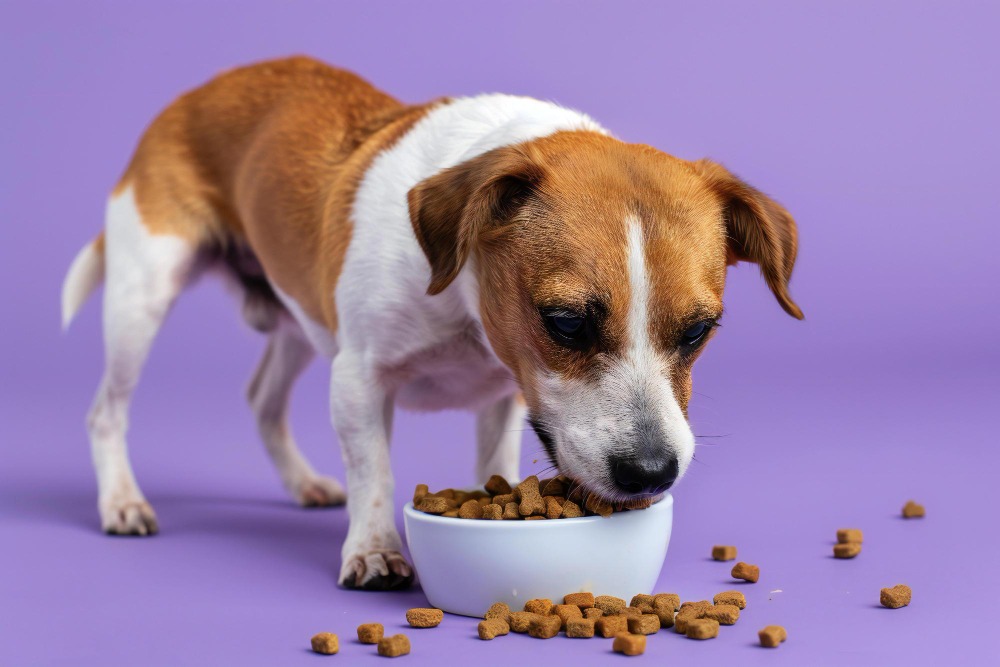
There are lots of things you can do at home to care for your dog…

Helping your dogs (and other pets) cope with noises like fireworks
Fireworks season is an exciting time for us humans, and we want our animal friends to enjoy it too; however, they experience fireworks very differently. A much noisier way!
Some dogs barely notice things like fireworks. Some dogs act like the world has ended and try to climb into your head. Some dogs make a run for it. They all behave in very different ways.
But why is one dog seemingly okay while others can get incredibly stressed? And what kind of training and support can you give your dogs in the build-up to, and during, fireworks season?
As a pet shop we’re constantly being asked about how to help animals cope during fireworks, so we’re going to delve into a few practical things you can do over the next few days to help get your pets ready for fireworks, or any other noises that might be worrying them.
What’s the difference between a human’s and a dog’s ears?
Let’s get technical for a second. Dogs can hear frequencies up to about 65,000Hz. For humans, it’s 20,000 Hz. That’s a pretty big difference. That’s over 3X more sensitive than our ears! Which means they can hear the ultrasounds produced by rodents or insects.
Now let’s look at the shape of a dog’s ear. It’s biologically designed to funnel sound more efficiently. We humans have flat ears, so our hearing is not as efficient.
So when your dog hears those loud bangs in the distance, it really is no wonder that so many of them panic.
The Fight, Flight, Fawn and Freeze responses
You’ve probably heard of the fight or flight response? Both humans and dogs have it. When scared, this survival mechanism is triggered, which helps us manage stress. It’s a fear response. But did you know there are two more? Let’s break them down as you might not even realise your dog is fearful and anxious.
Fight: This is where your dog fights the scary thing. So you’ll see your dog barking, lunging, growling or even snapping and biting.
Flight: This is where your dog tries to escape. They’ll run away or hide under the table.
Now the not-so-well-known responses:
Fawn: This is where your dog will go all submissive and goofy. When out, you might see this as appeasement, submissive behaviours, like rolling over and showing their belly.
Freeze: This is where your dog gets stuck. Totally paralysed and unable to move.
With ALL of these responses, lots of things start to happen in the body like:
- The downregulation of systems – this is so the body’s energy is saved for what’s needed the most, to get the hell out of there! This is often why we lose our appetite when stressed. Maybe you’ve tried feeding your dog during fireworks and they won’t eat? This is probably why.
- Increase in heart rate and blood pressure – the heart’s beating faster so your dog is likely to start panting and breathing more heavily.
- Dilated pupils – you might notice your dog’s eyes look huge! This is a sign they’re in fight-or-flight mode. Even if they don’t ‘appear’ to be showing any other signs, this is a good subtle indication of what’s starting to happen.
- Tense and trembling – you might notice your dog shaking because the stress hormones are circulating through the body.
How to help your dogs with fireworks and noises
Let’s look at how you can get prepared.
These can help to alleviate some stress. Some are pheromone-based, others are herbal. They work in different ways, but both can be helpful. You can try this out by getting them plugged in a good few days before, to give them a chance to work the room; plugging them in on fireworks night is unlikely to make any difference.
You can also get wipes and sprays to apply directly to your dog. Some people say they work wonders, but there are the odd dogs they don’t do anything for. It’s one to test and try out
Like the calming plug ins, you need to get these into your dog’s system to give them a chance to work. They’re usually natural supplements and you can often increase the dosage over a few days. Read the labels carefully, you can always ask us more about them when you come into the pet shop.
3.Build a den
Create a safe covered space where your pet can retreat to if they get scared and try it out a few days before so it becomes the new cosy place they can practice sleeping in. Or if they already enjoy being in a crate, get them in it with some chews and frozen kongs before it gets dark, and they might even sleep through the worst of it. If at any point they’re too anxious or scared and unable to settle, then obviously let them out into a safe place, or leave the door open to give them the option.
Some dogs benefit from having a closed off area that you can sit in with them. We know of dogs that know how to open doors! So be sure to lock doors and supervise them during the fireworks.
4.Turn up the TV or put some music on
Another option is to drown out the firework noise, close your curtains, windows and doors, and pop the TV or even some music on, something with a good beat that hides the bangs. If they’re not keen on music you can prep in the weeks leading up by playing on low while they’re enjoying a long lasting chew, and start increasing the volume.
Other things to bear in mind
- Dog’s preferences can change every year. Just because you had a confident dog last year, doesn’t mean they’ll be confident this year so be prepared.
- Walk them early and try to avoid going outside during the busy hours.
- Act as calmly as possible so they don’t feed off of your energy.
- Make sure they have a collar and tag on just in case they manage to escape whilst they are scared.
- Keep a supply of bones, chews, kongs and their favourite stinky treats on standby in the cupboard and start giving them BEFORE the fireworks start to begin to calm their nervous system.
- If your dog finds walks exciting or stressful, consider taking the day off. It might sound counterintuitive, but if your dog’s bucket is empty before the evening, they stand a much better chance of coping. This isn’t a case of ‘tire them out’ before the fireworks, but of understanding how to stop them from getting dysregulated. Try and have a spa day!
- Some dogs benefit from movement when stressed. If they’re struggling, play some movement games, scatter feed and hide food around the house, or try out some trick training.
When to speak to your vet
If you know your dog is going to be incredibly stressed, or after the first night, they’re climbing the walls, struggling to eat, cope, or relax hours after the event, go and speak to your vet for additional advice. They might have something they can prescribe.
How to help your cat with fireworks and noise
Cats are just as sensitive; loud bangs and bright lights can really spook them. Unlike dogs, they can be a lot harder to train!
- Try to keep them in at night if possible and create a safe space for them.
- Cats generally like to be high up, so place a bed or box up from the floor.
- If your cat is more of an outdoor cat and unlikely to come inside, create a safe space for them to shelter in outside.
- Plug-in diffusers are also available for cats and tend to have really good reviews.
- Just like dogs, try to keep yourself super calm so they feed off your calm energy.
How to help your other small animals with fireworks and noise
Our little guys often get forgotten about when it comes to fireworks and noise. Maybe because when cats and dogs are fearful their behaviour is more noticeable or problematic.
Where possible, bring small animals inside during fireworks and keep them calm and snuggled. If you can’t bring them in, think about a shed or garage to dampen the noise.
Fill their hutch with extra bedding and add some cardboard boxes so they can snuggle down and get under cover. Turn their hutch to face a wall or fence and add an old duvet to muffle the noise, but remember, never cover the wire front as they need good ventilation!
If they’re in a pair, keep them together, separating them might stress them more.
One last thing – if you’re considering lighting a bonfire, ALWAYS check inside to make sure our little hedgehog friends aren’t curled up inside.
Remember, you can contact the Pet Stop team here or visit us in store to ask any questions about helping your dogs, cats and small animals stay safe and calm during fireworks or through any noise-related experiences they’re struggling with.
Related Posts